
As a trusted supplier of Fiber Cement Sandwich Panels, I've often been asked about the fire-retardant mechanism of these remarkable building materials. In this blog post, I'll delve into the science behind their fire resistance, shedding light on the key factors that make them a reliable choice for various construction projects.
Understanding Fiber Cement Sandwich Panels
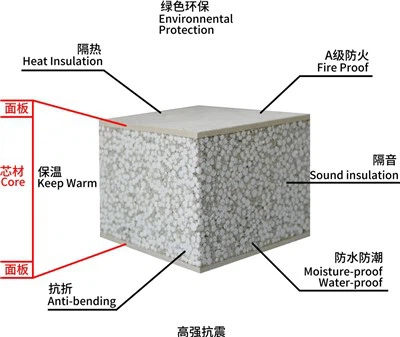
Before we explore the fire-retardant mechanism, let's briefly understand what fiber cement sandwich panels are. These panels consist of a core material sandwiched between two layers of fiber cement boards. The core material can vary, including options such as polystyrene foam, mineral wool, or foam concrete. The combination of the fiber cement boards and the core material provides a range of benefits, including excellent strength, durability, and insulation properties.
The Fire-Retardant Mechanism
The fire-retardant mechanism of fiber cement sandwich panels can be attributed to several factors, each playing a crucial role in preventing the spread of fire and protecting the structure.
1. Inherent Fire Resistance of Fiber Cement Boards
Fiber cement boards are made from a mixture of cement, cellulose fibers, and other additives. Cement is a non-combustible material, which means it does not burn or contribute to the spread of fire. The cellulose fibers in the boards provide reinforcement, enhancing their strength and durability. Additionally, the manufacturing process of fiber cement boards involves high-temperature curing, which further improves their fire resistance.


When exposed to fire, the fiber cement boards act as a barrier, preventing the flames and heat from reaching the core material. The boards also release water vapor as they heat up, which helps to cool the surface and slow down the combustion process. This inherent fire resistance of fiber cement boards is one of the primary reasons why fiber cement sandwich panels are widely used in fire-rated partitions and walls.
2. Fire-Resistant Core Materials
The choice of core material in fiber cement sandwich panels also plays a significant role in their fire-retardant properties. Some common core materials used in these panels include:
- Mineral Wool: Mineral wool is a highly fire-resistant material made from natural or synthetic minerals. It has excellent insulation properties and can withstand high temperatures without melting or burning. When used as a core material in fiber cement sandwich panels, mineral wool acts as a thermal barrier, reducing the transfer of heat through the panel and preventing the spread of fire.
- Foam Concrete: Foam concrete is a lightweight, porous material made from a mixture of cement, water, and foam. It has good fire resistance and can provide insulation and soundproofing benefits. The porous structure of foam concrete helps to absorb heat and slow down the combustion process. Additionally, foam concrete can be formulated with fire-retardant additives to further enhance its fire resistance.
- Polystyrene Foam: Polystyrene foam is a lightweight, insulating material commonly used in construction. However, it is flammable and can contribute to the spread of fire if not properly treated. To improve its fire resistance, polystyrene foam can be treated with fire-retardant chemicals. These chemicals react with the foam when exposed to fire, forming a char layer that acts as a barrier and prevents the flames from spreading.
3. Joint Sealing and Installation
Proper joint sealing and installation are essential for ensuring the fire-retardant performance of fiber cement sandwich panels. When installing these panels, it is important to use fire-rated sealants and adhesives to seal the joints between the panels. This helps to prevent the passage of fire and smoke through the joints, maintaining the integrity of the fire barrier.
Additionally, the installation of fiber cement sandwich panels should comply with relevant building codes and standards. This includes ensuring proper support and anchorage of the panels, as well as following the recommended installation procedures. By following these guidelines, the fire-retardant performance of the panels can be maximized, providing reliable protection against fire.
Applications of Fiber Cement Sandwich Panels
The fire-retardant properties of fiber cement sandwich panels make them suitable for a wide range of applications in the construction industry. Some common applications include:
- Fire-Rated Partitions and Walls: Fiber cement sandwich panels are commonly used to create fire-rated partitions and walls in commercial and residential buildings. These partitions and walls help to compartmentalize the building, preventing the spread of fire and smoke and providing a safe escape route for occupants.
- Exterior Cladding: Fiber cement sandwich panels can also be used as exterior cladding for buildings. Their fire resistance and durability make them a popular choice for protecting the building from fire and other environmental factors. Additionally, the panels can provide insulation and energy efficiency benefits, reducing the energy consumption of the building.
- Roofing Systems: Fiber cement sandwich panels can be used in roofing systems to provide fire protection and insulation. The panels can be installed on top of the roof structure, creating a fire-resistant barrier that helps to prevent the spread of fire from the exterior to the interior of the building.
Conclusion
In conclusion, the fire-retardant mechanism of fiber cement sandwich panels is based on the inherent fire resistance of fiber cement boards, the use of fire-resistant core materials, and proper joint sealing and installation. These factors work together to provide reliable protection against fire, making fiber cement sandwich panels a popular choice for various construction applications.
If you're considering using fiber cement sandwich panels in your next construction project, I encourage you to explore our range of products, including the Lightweight Foaming Partition Panel, 100mm Lightweight Sandwich Panel, and Foam Concrete Cement Sandwich Panel. Our panels are designed to meet the highest standards of quality and performance, providing you with peace of mind and reliable fire protection.
If you have any questions or would like to discuss your specific requirements, please don't hesitate to contact us. We're here to help you find the right solution for your project and ensure a successful outcome.
References
- "Fire Resistance of Building Materials and Structures." National Fire Protection Association.
- "Fiber Cement Products: Properties and Applications." Building and Construction Materials Research Institute.
- "Insulation Materials: Types and Properties." Insulation Contractors Association of America.