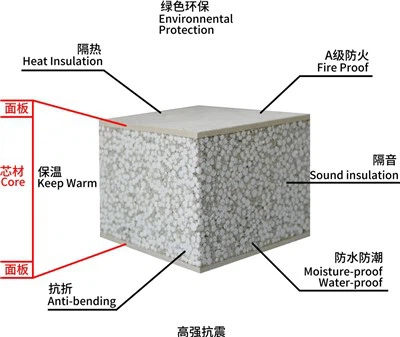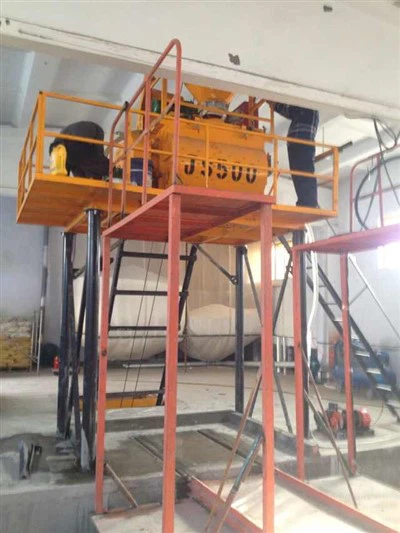

EPS cement sandwich wall panels have emerged as a popular choice in the construction industry due to their numerous advantages, such as lightweight, thermal insulation, and ease of installation. As a supplier of EPS cement sandwich wall panels, I am often asked about the durability of these panels under different weather conditions. In this blog post, I will delve into this topic and provide insights based on scientific knowledge and practical experience.
Understanding EPS Cement Sandwich Wall Panels
EPS cement sandwich wall panels consist of an expanded polystyrene (EPS) core sandwiched between two layers of cement-based materials. The EPS core provides excellent thermal insulation properties, while the cement layers offer structural strength and protection. These panels are commonly used in both residential and commercial construction for exterior walls, interior partitions, and roofing applications.
Durability in Dry and Sunny Conditions
In dry and sunny conditions, EPS cement sandwich wall panels generally exhibit good durability. The cement layers act as a protective barrier against UV radiation, preventing the EPS core from degrading. Additionally, the low moisture content in the environment reduces the risk of mold growth and water damage.
However, prolonged exposure to direct sunlight can cause the surface of the cement layers to fade or discolor over time. To mitigate this issue, it is recommended to apply a protective coating or paint to the panels. This not only enhances the aesthetic appeal but also provides an additional layer of protection against UV rays.
Durability in Humid and Rainy Conditions
Humid and rainy conditions pose a greater challenge to the durability of EPS cement sandwich wall panels. The high moisture content in the air can penetrate the cement layers and reach the EPS core, leading to potential issues such as mold growth, delamination, and reduced thermal insulation performance.
To ensure the durability of the panels in these conditions, proper waterproofing measures should be taken during installation. This includes applying a waterproof membrane to the joints between the panels and using sealants to prevent water ingress. Additionally, the panels should be installed with a slight slope to allow water to drain off easily.
Regular inspections should also be carried out to detect any signs of water damage or mold growth. If any issues are identified, they should be addressed promptly to prevent further deterioration.
Durability in Freezing and Thawing Conditions
In regions with freezing and thawing cycles, the durability of EPS cement sandwich wall panels can be affected by the expansion and contraction of water within the panels. When water freezes, it expands, which can cause the cement layers to crack or the panels to delaminate.


To enhance the durability of the panels in these conditions, it is important to use high-quality materials and proper installation techniques. The panels should be designed to withstand the stresses caused by freezing and thawing cycles. This may include using additives in the cement mixture to improve its resistance to freeze-thaw damage.
Insulating the panels can also help to reduce the temperature fluctuations within the panels, minimizing the risk of freeze-thaw damage. Additionally, proper drainage systems should be installed to prevent water from pooling around the panels.
Durability in High Wind Conditions
High wind conditions can exert significant pressure on EPS cement sandwich wall panels, especially in areas prone to hurricanes or strong storms. The panels need to be properly anchored and secured to the building structure to withstand these forces.
During installation, it is important to follow the manufacturer's guidelines for anchoring and bracing the panels. This may involve using mechanical fasteners or adhesives to ensure a secure connection between the panels and the structure.
Regular inspections should also be carried out to check the integrity of the anchoring system and to ensure that the panels are not loose or damaged. If any issues are detected, they should be repaired immediately to prevent the panels from being blown off or damaged during high wind events.
Conclusion
The durability of EPS cement sandwich wall panels under different weather conditions depends on a variety of factors, including the quality of the materials, the installation techniques, and the maintenance practices. By understanding the potential challenges posed by different weather conditions and taking appropriate measures to address them, the durability of these panels can be significantly enhanced.
As a supplier of EPS cement sandwich wall panels, I am committed to providing high-quality products and technical support to ensure the long-term performance of our panels. If you are considering using EPS cement sandwich wall panels for your construction project, I encourage you to contact us for more information and to discuss your specific requirements. We can provide you with detailed product specifications, installation guidelines, and assistance with procurement.
References
- ASTM International. (2021). Standard Specification for Extruded Polystyrene Thermal Insulation (XPS). ASTM C578.
- ISO 9001:2015. (2015). Quality management systems — Requirements. International Organization for Standardization.
- National Research Council. (2007). Insulation Materials: State of the Art and Future Directions. National Academies Press.