
As a supplier of exterior wall sandwich panels, I've witnessed firsthand the growing demand for these innovative building materials. Exterior wall sandwich panels have become a staple in modern construction due to their numerous advantages, including excellent insulation, durability, and aesthetic appeal. In this blog post, I'll delve into the composition of exterior wall sandwich panels, exploring the various components that make them such a popular choice for both residential and commercial buildings.
The Structure of Exterior Wall Sandwich Panels
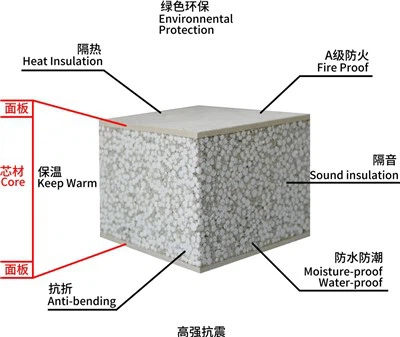
Exterior wall sandwich panels typically consist of three main layers: two outer facings and an inner core. This sandwich-like structure provides a combination of strength, insulation, and protection against the elements. Let's take a closer look at each component.
Outer Facings
The outer facings of exterior wall sandwich panels serve as the first line of defense against the environment. They are responsible for protecting the inner core from moisture, UV radiation, and physical damage. There are several materials commonly used for outer facings, each with its own unique properties and advantages.
- Metal Facings: Metal facings, such as steel or aluminum, are highly durable and resistant to corrosion. They offer excellent protection against the elements and can withstand harsh weather conditions. Metal facings also provide a sleek and modern appearance, making them a popular choice for commercial and industrial buildings.
- Fiber Cement Facings: Fiber cement facings are made from a mixture of cement, cellulose fibers, and other additives. They are known for their fire resistance, durability, and low maintenance requirements. Fiber cement facings can mimic the look of natural materials, such as wood or stone, providing a versatile and aesthetically pleasing option for exterior walls.
- Polymer Facings: Polymer facings, such as PVC or fiberglass, are lightweight and easy to install. They offer good resistance to moisture and chemicals, making them suitable for a variety of applications. Polymer facings can be customized with different colors and textures, allowing for a wide range of design possibilities.
Inner Core
The inner core of exterior wall sandwich panels is the key component that provides insulation and structural support. It is typically made from a lightweight material with high thermal resistance. Here are some common types of inner cores used in exterior wall sandwich panels.
- Polystyrene (EPS) Core: Expanded polystyrene (EPS) is a popular choice for inner cores due to its excellent insulation properties, low cost, and lightweight nature. EPS cores are made from expanded polystyrene beads that are fused together to form a rigid panel. They offer good thermal insulation, soundproofing, and impact resistance.
- Polyurethane (PU) Core: Polyurethane (PU) is a high-performance insulation material that offers superior thermal insulation compared to EPS. PU cores are formed by injecting a liquid polyurethane mixture into a mold, where it expands and cures to form a rigid foam. PU cores provide excellent insulation, airtightness, and structural strength.
- Mineral Wool Core: Mineral wool is a fire-resistant insulation material made from natural minerals, such as basalt or diabase. Mineral wool cores offer good thermal insulation, soundproofing, and fire protection. They are also non-combustible and environmentally friendly, making them a popular choice for buildings with strict fire safety requirements.
Advantages of Exterior Wall Sandwich Panels
The composition of exterior wall sandwich panels offers several advantages over traditional building materials. Here are some of the key benefits of using exterior wall sandwich panels in construction.
- Energy Efficiency: The high thermal insulation properties of exterior wall sandwich panels help to reduce heat transfer through the walls, resulting in lower energy consumption for heating and cooling. This can lead to significant energy savings and lower utility bills over the life of the building.
- Durability: The combination of strong outer facings and a rigid inner core makes exterior wall sandwich panels highly durable and resistant to damage. They can withstand harsh weather conditions, impact, and wear and tear, ensuring a long lifespan for the building envelope.
- Quick Installation: Exterior wall sandwich panels are prefabricated in a factory and can be easily installed on-site. This reduces construction time and labor costs, making them a cost-effective option for large-scale projects.
- Aesthetic Appeal: Exterior wall sandwich panels come in a variety of colors, textures, and finishes, allowing for a wide range of design possibilities. They can enhance the aesthetic appeal of a building and create a unique and modern look.
- Environmental Sustainability: Many exterior wall sandwich panels are made from recyclable materials and have a low environmental impact. They can contribute to the energy efficiency of a building, reducing its carbon footprint and helping to meet sustainability goals.
Applications of Exterior Wall Sandwich Panels
Exterior wall sandwich panels are suitable for a wide range of applications in both residential and commercial construction. Here are some common uses of exterior wall sandwich panels.
- Residential Buildings: Exterior wall sandwich panels can be used in single-family homes, townhouses, and apartment buildings to provide energy-efficient and durable exterior walls. They can also be used to renovate existing buildings, improving their insulation and appearance.
- Commercial Buildings: Exterior wall sandwich panels are commonly used in commercial buildings, such as offices, warehouses, factories, and retail stores. They offer a cost-effective and efficient solution for creating a modern and functional building envelope.
- Industrial Buildings: Industrial buildings, such as manufacturing plants and storage facilities, require high-performance exterior walls that can withstand harsh environments. Exterior wall sandwich panels provide excellent insulation, durability, and fire protection, making them an ideal choice for industrial applications.
- Cold Storage Facilities: Cold storage facilities require strict temperature control to maintain the quality of stored products. Exterior wall sandwich panels with high thermal insulation properties are essential for minimizing heat transfer and reducing energy consumption in cold storage buildings.
Our Product Offerings
As a leading supplier of exterior wall sandwich panels, we offer a wide range of products to meet the diverse needs of our customers. Our product portfolio includes:


- 100mm Prefabricated Insulated Wall Panels: These panels feature a 100mm thick EPS core for excellent thermal insulation. They are prefabricated in our factory and can be easily installed on-site, saving time and labor costs.
- Fireproof EPS Fiber Cement Sandwich Panel: Our fireproof EPS fiber cement sandwich panels combine the fire resistance of fiber cement facings with the insulation properties of an EPS core. They are suitable for buildings with strict fire safety requirements.
- Lightweight Precast EPS Cement Sandwich Panel: These lightweight panels are made from a precast EPS cement core and offer excellent insulation and structural strength. They are easy to handle and install, making them a popular choice for residential and commercial construction.
Contact Us for Procurement and洽谈
If you're interested in learning more about our exterior wall sandwich panels or have a specific project in mind, we'd love to hear from you. Our team of experts is available to provide you with detailed product information, technical support, and pricing quotes. Contact us today to start the procurement process and take the first step towards building a more energy-efficient and sustainable building.
References
- Building Construction Handbook, by Edward Allen and Joseph Iano
- Insulation Materials and Systems, by John R. Lyons
- Modern Building Envelope Design, by Mark E. Mueser and Peter J. Arsenault