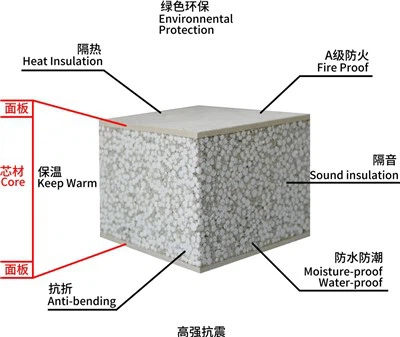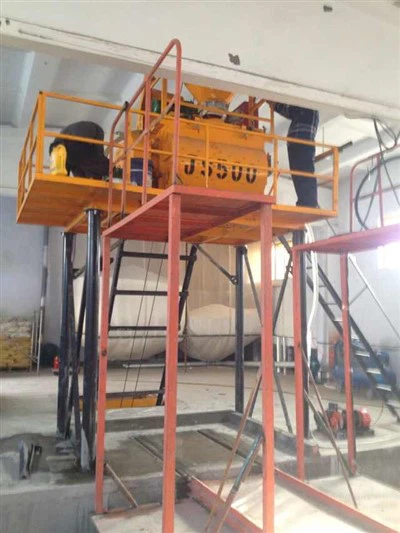

Hey there! I'm a supplier of 100mm lightweight sandwich panels, and I often get asked about what's actually in the surface layer of these panels. So, I thought I'd take a deep dive into this topic and share all the deets with you.
First off, let's understand what a lightweight sandwich panel is. It's a composite structure made up of two outer layers (the surface layers) and a core in between. The 100mm refers to the overall thickness of the panel. The surface layer plays a crucial role as it's the part that comes into direct contact with the environment, so it needs to be durable, weather - resistant, and sometimes even aesthetically pleasing.
One of the most common materials used in the surface layer of 100mm lightweight sandwich panels is steel. Steel is a popular choice because it's strong, can withstand a lot of wear and tear, and offers good protection against impact. There are different types of steel that can be used, like galvanized steel. Galvanized steel has a zinc coating on it, which helps prevent rusting. This is super important, especially if the panels are going to be used in outdoor applications or in areas with high humidity.
Another material you might find in the surface layer is aluminum. Aluminum is lightweight, which is great for keeping the overall weight of the panel down. It's also highly resistant to corrosion, so it can last a long time without getting damaged. Aluminum can be finished in different ways, such as being painted or anodized. Anodizing is a process that creates a protective layer on the aluminum surface, making it even more resistant to scratches and wear.
Fiberglass is yet another option for the surface layer. Fiberglass is made up of fine glass fibers, and it's known for its high strength - to - weight ratio. It's also a good insulator, which can contribute to the energy - efficiency of the building where the panels are installed. Fiberglass can be combined with a resin to form a rigid surface layer. This resin can be customized to have different properties, like being fire - resistant or water - resistant.
Now, let's talk about some specific products that we offer. We have the Soundproof EPS Sandwich Panel. The surface layer of this panel is designed to not only provide the usual strength and durability but also to enhance its soundproofing capabilities. The EPS (Expanded Polystyrene) core is great for insulation, and the surface layer works in tandem with it to block out unwanted noise.
Then there's the Calcium Silicate Cement Board. This type of board can be used as a surface layer in our 100mm lightweight sandwich panels. Calcium silicate cement boards are known for their fire - resistance, which is a major advantage in many construction projects. They're also relatively easy to install and can be cut to fit different sizes and shapes.
We also have Soundproof EPS Panels for Walls. These panels are specifically designed for wall applications, and the surface layer is engineered to provide a smooth and attractive finish while also offering soundproofing benefits.
The chemical composition of these surface layers can vary depending on the material used. For example, in galvanized steel, the zinc coating is applied through a chemical process. The zinc reacts with the oxygen and carbon dioxide in the air to form a protective layer of zinc carbonate, which helps prevent further corrosion of the steel.


In the case of anodized aluminum, an electrochemical process is used. When an electric current is passed through an electrolyte solution with the aluminum as an electrode, a layer of aluminum oxide is formed on the surface. This aluminum oxide layer is very hard and provides excellent protection.
Fiberglass surface layers usually have a resin matrix. The resin can be a polyester resin or an epoxy resin. Polyester resins are made from a combination of unsaturated polyesters and a styrene monomer. When they react, they form a hard, rigid material. Epoxy resins, on the other hand, are made by reacting an epoxide with a hardener. They offer different properties compared to polyester resins, like better adhesion and higher chemical resistance.
Calcium silicate cement boards are made from a mixture of calcium oxide, silica, and water. When these components react, they form calcium silicate hydrates, which give the board its strength and durability.
When it comes to choosing the right surface layer for your project, there are a few things to consider. First, think about the environment where the panels will be used. If it's an outdoor area with a lot of moisture, you'll want a surface layer that's highly resistant to corrosion, like galvanized steel or aluminum. If noise reduction is a priority, then a panel with a surface layer designed for soundproofing, like our Soundproof EPS Sandwich Panel, would be a great choice.
You also need to think about the aesthetic requirements. Some projects might need a smooth, painted finish, while others might prefer a more textured look. The surface layer can be customized to meet these aesthetic needs.
If you're interested in our 100mm lightweight sandwich panels or have any questions about the surface layer chemical composition, feel free to reach out to us. We're always happy to discuss your project requirements and help you find the best solution. Whether you're building a commercial building, a residential house, or an industrial facility, our panels can be a great choice.
In conclusion, the surface layer of a 100mm lightweight sandwich panel can be made from a variety of materials, each with its own unique chemical composition and properties. By understanding these materials and their characteristics, you can make an informed decision when it comes to choosing the right panels for your project. So, don't hesitate to contact us if you're looking to purchase these panels. We're here to assist you every step of the way.
References
- "Handbook of Construction Materials"
- "Advanced Materials for Building Applications"
- Manufacturer's specifications for steel, aluminum, fiberglass, and calcium silicate products.