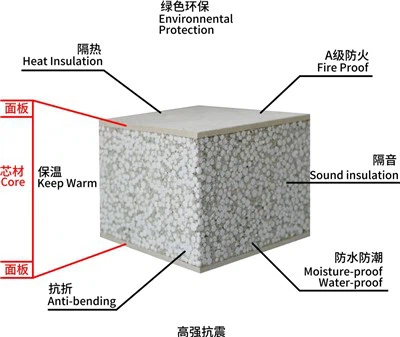

What is the airtightness of calcium silicate partition walls?
As a supplier of Calcium Silicate Partition Walls, I am often asked about the airtightness of these partitions. Airtightness is a crucial factor in building construction, as it affects energy efficiency, indoor air quality, and overall comfort. In this blog post, I will delve into the concept of airtightness in calcium silicate partition walls, exploring its importance, measurement, influencing factors, and benefits.
Understanding Airtightness
Airtightness refers to the ability of a building envelope or a partition wall to prevent the uncontrolled flow of air through its structure. In the context of calcium silicate partition walls, a high level of airtightness means that the wall can effectively resist the passage of air, whether it is from the outside environment or between different interior spaces. This is achieved by minimizing gaps, cracks, and porous areas in the wall construction.


Importance of Airtightness in Calcium Silicate Partition Walls
- Energy Efficiency: One of the primary benefits of airtight calcium silicate partition walls is improved energy efficiency. When a building has good airtightness, it reduces the amount of heat loss or gain through air infiltration. In colder climates, less cold air seeps into the building, reducing the need for heating. Conversely, in warmer climates, it prevents hot air from entering, reducing the cooling load. This leads to lower energy consumption and reduced utility bills for the building occupants.
- Indoor Air Quality: Airtight walls also contribute to better indoor air quality. By preventing the entry of outdoor pollutants, such as dust, pollen, and exhaust fumes, the air inside the building remains cleaner. Additionally, it helps to control the movement of moisture, which can prevent the growth of mold and mildew, further improving the health and comfort of the occupants.
- Acoustic Performance: Airtightness can enhance the acoustic performance of the partition walls. When air cannot easily pass through the walls, it reduces the transmission of sound waves, providing better sound insulation between rooms. This is particularly important in commercial buildings, such as offices and hotels, where privacy and noise control are essential.
Measuring Airtightness
The airtightness of calcium silicate partition walls is typically measured using a standardized test method. One common method is the blower door test, which involves creating a pressure difference between the inside and outside of the building using a fan. The amount of air that leaks through the walls is then measured, and the results are expressed as air changes per hour (ACH) or leakage rate per square meter of the building envelope.
A lower ACH or leakage rate indicates better airtightness. For example, in a well - constructed building, an ACH of less than 1 at a pressure difference of 50 Pascals is considered good. For calcium silicate partition walls specifically, the target airtightness level may vary depending on the building's use and location, but generally, a tight seal is desired to achieve the best performance.
Factors Influencing the Airtightness of Calcium Silicate Partition Walls
- Installation Quality: The way the calcium silicate partition walls are installed plays a significant role in their airtightness. Proper sealing around the edges, joints, and penetrations is essential. If the installation is not done correctly, with gaps left between the wall panels or around electrical outlets and pipes, it can significantly reduce the airtightness. For example, using high - quality sealants and ensuring that all joints are properly filled can improve the overall airtightness of the wall.
- Material Quality: The quality of the calcium silicate material itself also affects airtightness. High - density calcium silicate panels are generally more airtight than lower - density ones. Additionally, the manufacturing process can influence the porosity of the material. Panels with fewer pores and a more uniform structure will have better airtightness properties.
- Design and Construction Details: The design of the partition wall system can impact airtightness. For instance, incorporating airtight gaskets or seals at door and window openings in the partition wall can prevent air leakage. Also, the overall layout of the building and how the partition walls interact with other building components can affect the airtightness of the entire building envelope.
Benefits of High - Airtightness Calcium Silicate Partition Walls
- Long - Term Cost Savings: As mentioned earlier, the energy savings associated with airtight partition walls can result in significant long - term cost savings for building owners. Over the lifespan of a building, the reduced energy consumption can offset the initial investment in high - quality calcium silicate partition walls.
- Enhanced Comfort: Occupants of buildings with airtight partition walls experience greater comfort. They are less likely to feel drafts, and the temperature and humidity levels are more stable. This creates a more pleasant and productive indoor environment, whether it is an office, a residential building, or a healthcare facility.
- Sustainability: Good airtightness contributes to the sustainability of a building. By reducing energy consumption, it lowers the building's carbon footprint. This is in line with the growing trend towards green building practices and can help buildings meet environmental certification standards, such as LEED (Leadership in Energy and Environmental Design).
Comparison with Other Wall Materials
When compared to other common wall materials, calcium silicate partition walls have several advantages in terms of airtightness. For example, compared to traditional brick or concrete walls, calcium silicate panels can be installed more precisely, with fewer gaps and joints. This allows for better control of air leakage.
In contrast, some lightweight wall materials may have lower airtightness due to their porous nature. However, calcium silicate can offer a good balance between lightweight construction and airtight performance.
Applications of Airtight Calcium Silicate Partition Walls
- Commercial Buildings: In commercial buildings such as offices, retail stores, and restaurants, airtight calcium silicate partition walls are ideal for creating separate spaces. They provide energy efficiency, sound insulation, and a clean, modern appearance. For example, in an open - plan office, these partition walls can be used to create private meeting rooms without sacrificing the overall energy efficiency of the building.
- Residential Buildings: In homes, airtight calcium silicate partition walls can improve the comfort and energy efficiency of living spaces. They can be used to separate bedrooms, bathrooms, and living areas, providing better sound insulation and temperature control. This is especially important in multi - story or multi - unit residential buildings.
- Industrial Buildings: Industrial facilities also benefit from the airtightness of calcium silicate partition walls. They can be used to separate different production areas, control the movement of air and dust, and improve the overall working environment.
If you are interested in learning more about our Calcium Silicate Partition Walls or are considering a purchase, we encourage you to reach out to us for a detailed discussion. Our team of experts is ready to assist you in choosing the right partition wall solution for your specific needs. Whether you are looking for Exterior Wall Sandwich Panel, 180mm Sandwich Panel Wall, or EPS Cement Concrete Sandwich Panel, we have the products and knowledge to meet your requirements. Contact us today to start the conversation about your project.
References
- Building Research Establishment. (2019). Airtightness in Buildings: A Guide to Good Practice.
- International Energy Agency. (2020). Energy Efficiency in Buildings: Strategies and Technologies.
- ASTM International. (2018). Standard Test Method for Determining Air Leakage Rate by Fan Pressurization.