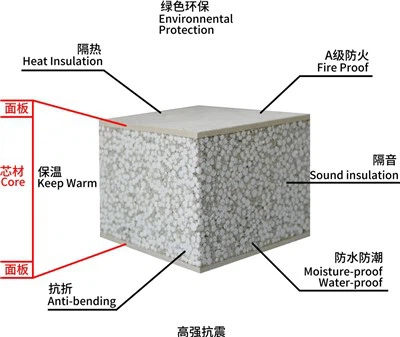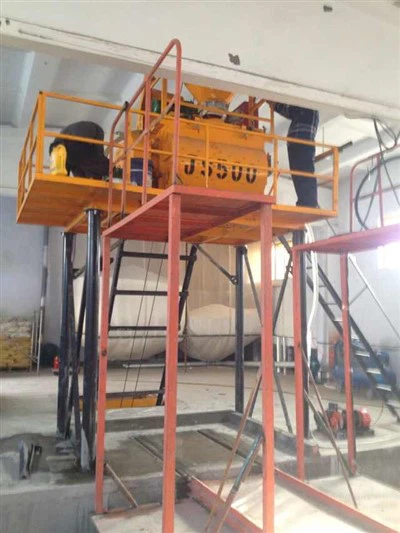

Hey there! As a supplier of EPS Cement Seismic Panels, I often get asked about the proper storage conditions for these panels. So, I thought I'd share some insights on this topic.
Why Proper Storage Matters
First off, let's talk about why it's so important to store EPS Cement Seismic Panels correctly. These panels are designed to provide excellent seismic resistance and other benefits, but if they're not stored properly, their performance can be compromised. For example, exposure to extreme temperatures, moisture, or physical damage can weaken the panels and reduce their effectiveness. That's why taking the right steps to store them is crucial to ensure that they maintain their quality and functionality until they're ready to be installed.
Temperature Considerations
One of the key factors in storing EPS Cement Seismic Panels is temperature. These panels are made of a combination of expanded polystyrene (EPS) and cement, and both materials can be affected by temperature changes.


In general, it's best to store the panels in a temperature - controlled environment. The ideal temperature range for storing EPS Cement Seismic Panels is between 10°C and 30°C (50°F and 86°F). Temperatures below 10°C can make the panels more brittle, increasing the risk of cracking during handling. On the other hand, temperatures above 30°C can cause the EPS core to expand, which may lead to warping or other structural issues.
If you don't have access to a fully temperature - controlled storage facility, try to find a location that provides some protection from extreme temperatures. For example, a shaded warehouse or a building with good insulation can help keep the temperature within an acceptable range.
Moisture and Humidity
Moisture is another enemy of EPS Cement Seismic Panels. The cement component of the panels can absorb water, which can lead to issues like mold growth, corrosion of any metal components (if present), and a decrease in the panel's strength.
It's essential to store the panels in a dry place. A humidity level of less than 60% is recommended. If the storage area is prone to high humidity, consider using dehumidifiers to keep the moisture content in check.
Also, make sure the panels are protected from direct contact with water. Avoid storing them on the ground, especially in areas where water may accumulate. Instead, use pallets or racks to elevate the panels off the floor. This will prevent water from seeping into the panels and causing damage.
Protection from Physical Damage
EPS Cement Seismic Panels are relatively sturdy, but they can still be damaged if not handled and stored properly. During storage, it's important to protect the panels from impacts, scratches, and other forms of physical damage.
When stacking the panels, make sure they are stacked evenly and securely. Uneven stacking can cause stress on the panels, leading to cracks or breakage. Use proper stacking techniques, such as placing the panels in a way that distributes the weight evenly across the stack.
Avoid storing heavy objects on top of the panels, as this can cause them to deform. Also, be careful when moving or handling the panels around the storage area to prevent accidental collisions with other objects.
Ventilation
Good ventilation is also important when storing EPS Cement Seismic Panels. Proper ventilation helps to maintain a stable temperature and humidity level in the storage area. It also helps to prevent the buildup of any potentially harmful gases that may be released from the panels over time.
Make sure the storage area has adequate ventilation openings, such as windows or vents. If possible, use fans to circulate the air within the storage space. This will help to keep the environment around the panels fresh and reduce the risk of moisture and temperature - related issues.
Long - Term Storage
If you need to store the EPS Cement Seismic Panels for an extended period, there are a few additional considerations.
First, regularly inspect the panels during long - term storage. Check for any signs of damage, such as cracks, warping, or mold growth. If you notice any issues, take appropriate action immediately to prevent further damage.
Second, consider covering the panels with a protective tarp or plastic sheeting. This can provide an extra layer of protection against dust, dirt, and moisture. However, make sure the covering allows for some air circulation to prevent condensation from forming inside.
Other Related Panels
We also offer other types of panels that might interest you. For example, our Soundproof EPS Sandwich Panel is great for creating quiet spaces. It uses advanced technology to reduce noise transmission, making it ideal for offices, recording studios, and residential areas.
Our Fireproof Partition Wall Panel is designed to provide excellent fire resistance. It can help contain fires and prevent them from spreading, which is crucial for the safety of any building.
And if you're looking for a lightweight option, our Lightweight Foaming Partition Panel is a great choice. It's easy to install and can be used in a variety of applications.
Conclusion
Proper storage of EPS Cement Seismic Panels is essential to maintain their quality and performance. By following the guidelines on temperature, moisture, physical damage protection, ventilation, and long - term storage, you can ensure that the panels are in top condition when it's time for installation.
If you're interested in purchasing EPS Cement Seismic Panels or any of our other panel products, I encourage you to reach out to us for a purchase discussion. We're here to help you find the right solutions for your construction needs.
References
- Building Materials Handbook: A comprehensive guide on the properties and storage requirements of various construction materials.
- EPS Cement Seismic Panel Manufacturer's Manual: Specific guidelines provided by the manufacturer regarding the storage and handling of the panels.