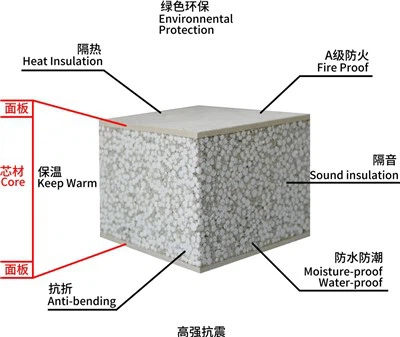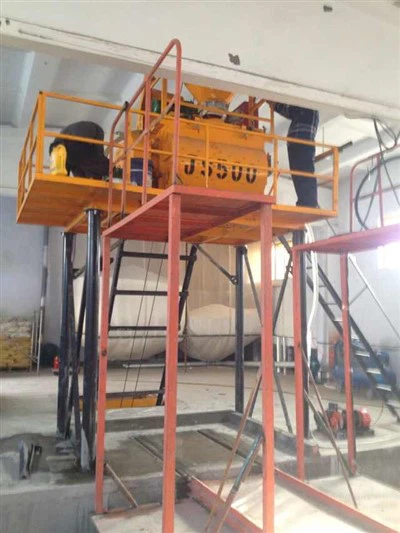

EPS sandwich panels are widely used in construction and industrial applications due to their excellent insulation, light weight, and cost - effectiveness. As a supplier of EPS sandwich panels, I understand the importance of knowing the standards for these panels. In this blog, I will delve into the various standards that EPS sandwich panels should meet, which will help you make informed decisions when purchasing.
1. Material Quality Standards
The quality of the materials used in EPS sandwich panels is the foundation of their performance.
EPS Core Material
The expanded polystyrene (EPS) core is a key component. High - quality EPS should have a uniform cell structure. A well - formed cell structure ensures consistent thermal insulation properties throughout the panel. ASTM C578 is a widely recognized standard in the United States for rigid, cellular polystyrene thermal insulation. It specifies requirements for dimensions, density, thermal resistance, and compressive strength of EPS insulation materials. For EPS used in sandwich panels, the density typically ranges from 15 kg/m³ to 30 kg/m³. A higher density usually means better mechanical properties, such as higher compressive strength, which is crucial for panels that will bear loads.


Face Sheets
The face sheets of EPS sandwich panels can be made of different materials, such as metal (e.g., galvanized steel, aluminum), plastic, or fiberglass. Metal face sheets are popular because of their durability and strength. For galvanized steel face sheets, the zinc coating thickness is an important factor. The ASTM A653 standard provides specifications for steel sheet, zinc - coated (galvanized) or zinc - iron alloy - coated (galvannealed) by the hot - dip process. A sufficient zinc coating thickness can protect the steel from corrosion, extending the service life of the sandwich panel.
2. Thermal Insulation Standards
One of the main advantages of EPS sandwich panels is their thermal insulation performance.
Thermal Resistance (R - value)
The R - value is a measure of a material's resistance to heat flow. The higher the R - value, the better the insulation. Building codes in different regions have specific requirements for the R - value of wall and roof insulation. For example, in colder climates, the required R - value for exterior walls may be as high as R - 20 or more. EPS sandwich panels can achieve relatively high R - values depending on the thickness of the EPS core. A 100mm thick EPS core can typically provide an R - value of around R - 5 to R - 6. If you are interested in high - performance thermal insulation, our 100mm Prefabricated Insulated Wall Panels are a great option.
Heat Transfer Coefficient (U - value)
The U - value is the reciprocal of the R - value and represents the rate of heat transfer through a material. Lower U - values indicate better insulation. In Europe, the Passive House standard requires very low U - values for building envelopes. EPS sandwich panels with proper design and thickness can meet these strict energy - efficiency requirements.
3. Fire Resistance Standards
Fire safety is a critical concern in construction.
Fire Classifications
EPS is a combustible material, but through the use of flame - retardant additives, the fire performance of EPS sandwich panels can be improved. Different countries have their own fire classification systems. In Europe, the Euroclass system classifies building products according to their reaction to fire. For example, an EPS sandwich panel may be classified as B - s1, d0, which means it has a relatively low fire hazard. In the United States, the UL 723 standard (also known as ASTM E84) is used to test the surface burning characteristics of building materials. Panels should meet the requirements of the relevant fire codes for the specific application, such as interior or exterior walls.
4. Mechanical Performance Standards
EPS sandwich panels need to withstand various mechanical loads during installation and use.
Compressive Strength
Compressive strength is the ability of a panel to resist being crushed under a load. The ISO 844 standard provides a method for determining the compressive properties of rigid cellular plastics. For EPS sandwich panels used in floors or areas with heavy loads, a higher compressive strength is required. A typical compressive strength for general - purpose EPS sandwich panels may range from 100 kPa to 300 kPa.
Flexural Strength
Flexural strength refers to the panel's ability to resist bending. When the panel is installed on a roof or a wall and is subjected to wind loads or snow loads, it needs to have sufficient flexural strength. Standards such as EN 14509 in Europe specify the test methods and requirements for the flexural properties of sandwich panels.
5. Waterproofing Standards
Waterproofing is essential, especially for exterior applications.
Water Absorption
The EPS core should have low water absorption to maintain its thermal insulation and mechanical properties. The ASTM C272 standard provides a test method for water absorption of rigid cellular plastics. A low water absorption rate, typically less than 2% by volume, is desirable for EPS used in sandwich panels. Our Waterproof EPS Sandwich Panel is designed to meet strict waterproofing requirements, ensuring long - term performance in wet environments.
Sealing and Joint Design
Proper sealing and joint design are crucial for preventing water penetration. The joints between panels should be sealed effectively to avoid water leakage. Some standards, such as those in the building code, may specify the requirements for joint design and sealing materials.
6. Environmental Standards
In today's environmentally conscious world, the environmental impact of building materials is an important consideration.
Recycling and Sustainability
EPS can be recycled, and many suppliers are committed to using recycled materials in the production of EPS sandwich panels. The panels should also be designed to have a long service life to reduce the need for frequent replacement. Additionally, the manufacturing process should comply with environmental regulations regarding emissions and waste management.
7. Installation and Compatibility Standards
EPS sandwich panels need to be installed correctly to ensure their performance.
Installation Guidelines
There are usually installation guidelines provided by the panel manufacturer. These guidelines cover aspects such as panel orientation, fastening methods, and sealing procedures. Compatibility with other building components, such as windows, doors, and roofing systems, is also important. For example, the panel should be able to be integrated seamlessly with exterior wall finishes. Our Exterior Wall Sandwich Panel is designed to be easily installed and compatible with a variety of building systems.
As a supplier of EPS sandwich panels, we are committed to producing panels that meet or exceed these standards. Our products are rigorously tested to ensure high quality and performance. If you are in the market for EPS sandwich panels and have specific requirements, we would be more than happy to discuss your project with you. Contact us to start a procurement negotiation and find the best EPS sandwich panel solutions for your needs.
References
- ASTM C578: Standard Specification for Rigid, Cellular Polystyrene Thermal Insulation
- ASTM A653: Standard Specification for Steel Sheet, Zinc - Coated (Galvanized) or Zinc - Iron Alloy - Coated (Galvannealed) by the Hot - Dip Process
- UL 723 (ASTM E84): Standard Test Method for Surface Burning Characteristics of Building Materials
- ISO 844: Cellular plastics -- Determination of compression properties
- EN 14509: Thermal insulation products for building applications -- Factory made sandwich panels of organic based core -- Specification
- ASTM C272: Standard Test Method for Water Absorption of Rigid Cellular Plastics