
What are the requirements for using Calcium Silicate Cement Board on floors?
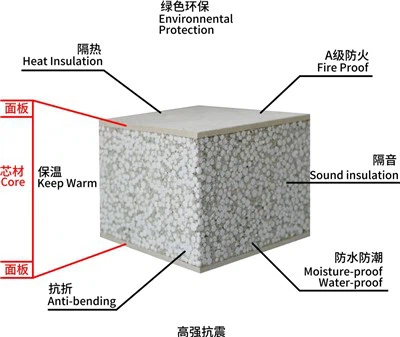
Calcium silicate cement board is a versatile building material known for its durability, fire resistance, and strength. When considering using it on floors, several requirements need to be met to ensure a successful and long - lasting installation. As a supplier of calcium silicate cement board, I am well - versed in these requirements and will share them in this blog.
Subfloor Preparation
The first and most crucial requirement is proper subfloor preparation. The subfloor must be clean, dry, and level. Any debris, dirt, or grease on the subfloor can prevent the calcium silicate cement board from adhering properly. Moisture is also a significant concern as it can cause the board to warp or delaminate over time. Before installation, it is essential to check the moisture content of the subfloor. A moisture meter can be used for this purpose. If the moisture content is too high, appropriate measures such as using a moisture barrier or allowing the subfloor to dry further should be taken.
The subfloor should also be level. Uneven subfloors can lead to an uneven surface for the calcium silicate cement board, which may result in cracking or other issues. For minor unevenness, self - leveling compounds can be used to create a flat surface. For more significant irregularities, it may be necessary to make structural adjustments to the subfloor.
Structural Support
Calcium silicate cement board has a certain weight, and the floor structure must be able to support it. The joists or other structural elements beneath the subfloor should be in good condition and have sufficient strength. If the floor is an existing structure, an engineer may need to assess whether it can handle the additional load of the calcium silicate cement board. In new construction, the design of the floor structure should account for the weight of the board and any future floor coverings that will be installed on top.
Installation Method
The installation method of calcium silicate cement board on floors is another critical requirement. The boards should be installed using the appropriate fasteners. Screws are commonly used, and they should be of the correct length and type to ensure a secure attachment to the subfloor. The spacing of the fasteners is also important. Generally, screws should be placed at regular intervals around the perimeter of the board and at closer intervals in the field of the board.
When installing the boards, it is necessary to leave a small expansion gap between adjacent boards. This gap allows for the natural expansion and contraction of the boards due to changes in temperature and humidity. Failure to leave an expansion gap can cause the boards to buckle or crack over time. The size of the expansion gap may vary depending on the environmental conditions and the specific product, but typically it is around 1/8 inch.
Sealing and Finishing
After the calcium silicate cement board is installed, it may need to be sealed and finished. Sealing the board helps to protect it from moisture and stains. There are various types of sealants available, and the choice depends on the intended use of the floor. For example, in areas with high moisture exposure such as bathrooms or kitchens, a waterproof sealant should be used.
Finishing the board can enhance its appearance and durability. It can be sanded to create a smooth surface before applying a floor covering such as tile, carpet, or vinyl. The type of finishing also depends on the final floor covering. If tile is to be installed, the board may need to be primed to improve the adhesion of the tile mortar.
Compatibility with Floor Coverings
Calcium silicate cement board should be compatible with the floor covering that will be installed on top. Different floor coverings have different requirements for the substrate. For example, some carpet adhesives may not bond well to an untreated calcium silicate cement board. In such cases, a suitable primer or adhesive promoter may be required.


Tile installations also require careful consideration. The board should be able to provide a stable and flat surface for the tiles. Some calcium silicate cement boards are specifically designed for tile underlayment and have properties that make them ideal for this purpose. It is important to choose a board that is recommended by the tile manufacturer for the best results.
Environmental Conditions
The environmental conditions where the calcium silicate cement board will be used also play a role. In areas with high humidity or temperature fluctuations, the board may be more prone to expansion and contraction. As mentioned earlier, leaving an expansion gap is crucial in such environments. Additionally, proper ventilation should be provided to reduce the moisture level in the air.
In regions with seismic activity, the floor structure and the installation of the calcium silicate cement board need to be designed to withstand seismic forces. Anti - seismic Cement Sandwich Panel can be considered as an option in such areas, as it provides additional strength and stability.
Fire and Safety Requirements
Calcium silicate cement board is known for its fire - resistant properties, but it still needs to meet the local fire and safety codes. The board should be installed in a way that does not compromise its fire - resistance. For example, all joints should be properly sealed to prevent the spread of fire and smoke.
In some commercial or public buildings, additional fire - protection measures may be required. This could include the use of fire - rated insulation behind the board or the installation of fire - stopping materials around penetrations such as pipes and wires.
Maintenance Requirements
Once the calcium silicate cement board is installed on the floor, it has certain maintenance requirements. Regular cleaning is necessary to keep the surface in good condition. Depending on the type of floor covering, different cleaning methods may be used. For example, if the floor has a tile covering, a mild detergent and a soft mop can be used for cleaning.
Inspecting the board periodically for any signs of damage such as cracks or delamination is also important. If any damage is found, it should be repaired promptly to prevent further deterioration.
Product Quality
As a supplier, I emphasize the importance of using high - quality calcium silicate cement board. The board should be manufactured to meet industry standards. High - quality boards are more likely to have consistent thickness, density, and strength, which are essential for a successful floor installation.
When choosing a calcium silicate cement board, look for products that have been tested and certified by relevant organizations. Waterproof Calcium Silicate Board is an example of a high - quality product that can be used in areas where moisture resistance is a concern.
Insulation Requirements
In some cases, insulation may be required beneath the calcium silicate cement board. Insulation can help to improve the energy efficiency of the building and reduce noise transmission. 150mm EPS Insulation Board is a popular choice for floor insulation. It provides good thermal insulation properties and is relatively easy to install.
In conclusion, using calcium silicate cement board on floors requires careful consideration of multiple factors. From subfloor preparation to product quality and maintenance, each step is crucial for a successful installation. If you are considering using calcium silicate cement board for your floor project, I encourage you to contact us for more information and to discuss your specific requirements. We are committed to providing high - quality products and professional advice to ensure your project meets all the necessary standards.
References
- ASTM International. Standard Specifications for Calcium Silicate Board.
- National Fire Protection Association (NFPA). Fire Codes and Standards.
- Tile Council of North America. Guidelines for Tile Installation on Substrates.