


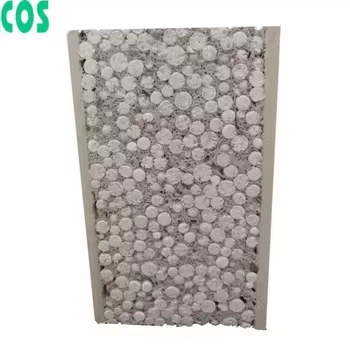
Hey there! As a supplier of EPS Cement Sandwich Panels, I've seen firsthand the challenges and opportunities that come with installing these panels, especially during the winter months. In this blog, I'm gonna share some tips and tricks to help you make the most of your winter installation projects.

Understanding the Challenges of Winter Installation
Winter is a tricky time for construction work. The cold weather can have a big impact on the installation process and the performance of the EPS Cement Sandwich Panels. Here are some of the main challenges you might face:
- Low Temperatures: Cold temperatures can slow down the curing process of the cement in the panels. This means it'll take longer for the panels to set and reach their full strength. In extreme cold, the cement might not cure properly at all, which can lead to structural issues down the line.
- Moisture and Frost: Moisture is the enemy of any construction project, and winter brings plenty of it in the form of snow, ice, and frost. If the panels get wet and then freeze, it can cause damage to the EPS core and the cement layers. Frost can also make the surface of the panels slippery, which is a safety hazard for the installation crew.
- Shorter Days: With fewer daylight hours in winter, you have less time to work on the installation. This can lead to rushed jobs and mistakes, so it's important to plan your work carefully and make the most of the available daylight.
Pre - installation Preparations
Before you start installing the EPS Cement Sandwich Panels in winter, there are a few things you need to do to ensure a successful project:
- Check the Weather Forecast: Keep a close eye on the weather forecast for the duration of the installation. Avoid installing the panels during extreme cold snaps, heavy snowfall, or freezing rain. Plan your work around periods of relatively mild weather.
- Store the Panels Properly: Make sure the panels are stored in a dry, sheltered area. If possible, keep them indoors until you're ready to install them. If they have to be stored outside, cover them with a waterproof tarp to protect them from the elements.
- Prepare the Installation Site: Clear the installation site of any snow, ice, or debris. Make sure the surface is level and dry. If necessary, use a heater or a dehumidifier to warm up and dry the area before installation.
Installation Tips
Now that you've done your preparations, here are some tips for installing EPS Cement Sandwich Panels in winter:
- Use the Right Adhesive and Sealants: Choose adhesives and sealants that are designed for cold - weather use. These products are formulated to cure at lower temperatures and provide a strong bond even in cold conditions.
- Warm Up the Panels: If the panels are very cold, you can warm them up slightly before installation. You can do this by bringing them into a warm area for a few hours or using a low - heat heater to gently warm the surface. However, be careful not to overheat the panels, as this can damage the EPS core.
- Work in Small Sections: Instead of trying to install large sections of panels at once, work in smaller, more manageable sections. This will allow you to keep a closer eye on the curing process and make sure each section is properly installed.
- Inspect the Panels Regularly: During the installation, inspect the panels regularly for any signs of damage or improper installation. Check for cracks, gaps, or areas where the adhesive isn't bonding properly. If you notice any issues, address them immediately.
Post - installation Care
After the panels are installed, there are still some things you need to do to ensure their long - term performance:
- Protect the Panels from the Elements: Cover the installed panels with a protective membrane or tarp to shield them from snow, ice, and freezing rain. This will help prevent damage to the panels while the cement continues to cure.
- Monitor the Curing Process: Keep an eye on the curing process of the cement. It might take longer in winter, so be patient. If possible, use a moisture meter to check the moisture content of the panels and make sure they're drying properly.
- Avoid Heavy Loads: Don't put any heavy loads on the panels until they've fully cured. This includes equipment, materials, or people. Premature loading can cause the panels to crack or break.
Product Recommendations
We offer a range of high - quality EPS Cement Sandwich Panels that are suitable for winter installation. For example, our 180mm Sandwich Panel Wall provides excellent insulation and structural stability. If you're working on a hospital project, our EPS Cement Waterproof Wall Panels for Hospital are a great choice as they're designed to meet the strict hygiene and waterproofing requirements. And for projects where weight is a concern, our 100mm Lightweight Sandwich Panel is a lightweight yet durable option.
Conclusion
Installing EPS Cement Sandwich Panels in winter can be challenging, but with the right preparations, techniques, and products, it's definitely doable. By following these tips, you can ensure a successful installation and a long - lasting result. If you're interested in our EPS Cement Sandwich Panels or have any questions about winter installation, don't hesitate to reach out. We're here to help you with your construction needs and make your project a success.
References
- Construction Industry Research and Information Association. (20XX). Cold - weather construction guide.
- Panel Manufacturers Association. (20XX). Best practices for EPS sandwich panel installation in winter.




