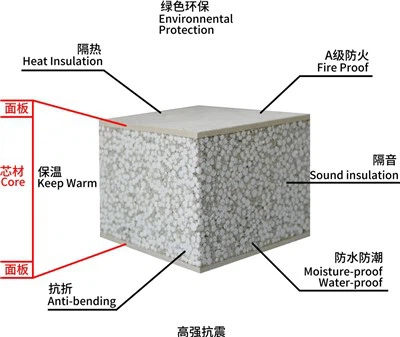

In the realm of construction materials, calcium silicate cement board and fiber cement board are two popular choices, each with its own unique characteristics and applications. As a supplier of calcium silicate cement boards, I am often asked about the differences between these two types of boards. In this blog post, I will delve into the details to help you understand the distinctions and make an informed decision for your construction projects.
Composition and Manufacturing Process
The first major difference lies in their composition and the way they are manufactured. Calcium silicate cement board is primarily made from calcium silicate hydrate, which is formed through a hydrothermal reaction between lime and silica. This reaction takes place under high temperature and pressure conditions, resulting in a dense and uniform structure. Other additives may be included to enhance specific properties such as strength, fire resistance, and moisture resistance.


On the other hand, fiber cement board is composed of cement, cellulose fibers, and other inorganic fillers. The cellulose fibers, usually derived from wood pulp, provide reinforcement to the cement matrix. The manufacturing process involves mixing these ingredients, forming the mixture into a board shape, and then curing it. This curing process can be either autoclaved or air - cured, depending on the desired properties of the final product.
Physical Properties
Density and Weight
Calcium silicate cement boards generally have a higher density compared to fiber cement boards. This higher density gives them greater strength and durability, but it also means they are heavier. For applications where weight is a critical factor, such as in high - rise buildings or structures with limited load - bearing capacity, fiber cement boards may be a more suitable choice. However, in applications where strength and stability are paramount, the heavier calcium silicate cement boards can provide better performance.
Strength and Durability
Calcium silicate cement boards are known for their excellent strength and durability. They can withstand high levels of stress and are resistant to cracking and breaking. This makes them ideal for use in areas where there is a risk of impact or heavy loads, such as industrial buildings or exterior facades. Fiber cement boards also have good strength, but they may be more prone to damage under extreme conditions. Their cellulose fibers can be affected by moisture over time, which may lead to a reduction in strength if not properly protected.
Fire Resistance
Both calcium silicate cement board and fiber cement board have good fire - resistant properties, but calcium silicate cement board has a distinct advantage. It is non - combustible and can withstand extremely high temperatures without losing its structural integrity. This makes it a preferred choice for fire - rated partitions, fire doors, and other fire - protection applications. Fiber cement board is also fire - resistant, but it may char or lose some of its strength at very high temperatures.
Moisture Resistance
Calcium silicate cement board has excellent moisture resistance. Its dense structure prevents water from penetrating easily, making it suitable for use in wet environments such as bathrooms, kitchens, and basements. Fiber cement board, while it can resist moisture to a certain extent, is more porous due to the presence of cellulose fibers. If exposed to prolonged moisture, it may swell, warp, or develop mold. Therefore, proper waterproofing treatments are often required when using fiber cement boards in wet areas.
Aesthetic and Finishing
Surface Texture
Calcium silicate cement boards typically have a smooth and uniform surface texture. This makes them easy to paint, wallpaper, or apply other finishing materials. They can be used to create a clean and modern look for interior and exterior walls. Fiber cement boards can have a variety of surface textures, from smooth to rough. Some fiber cement boards are designed to mimic the look of natural materials such as wood or stone, which can add a rustic or natural aesthetic to a building.
Color Retention
Over time, calcium silicate cement board tends to retain its color better than fiber cement board. The non - organic nature of calcium silicate cement board means it is less likely to fade or discolor due to exposure to sunlight, moisture, or chemicals. Fiber cement boards, especially those with natural cellulose fibers, may experience some color changes over time, especially if they are not properly protected.
Applications
Interior Applications
In interior applications, calcium silicate cement board is commonly used for fire - rated partitions, wall linings in commercial buildings, and ceilings. Its fire resistance and smooth surface make it a practical and aesthetically pleasing choice. Fiber cement board is often used for interior wall cladding, especially in areas where a natural or textured look is desired. It can also be used for Lightweight Partition Wall Panel in residential and commercial buildings, providing a cost - effective and versatile solution.
Exterior Applications
For exterior applications, calcium silicate cement board is an excellent choice for exterior facades, as it can withstand harsh weather conditions and provide long - term protection. Its high strength and durability ensure that it can resist impact from hail, wind - blown debris, and other external factors. Fiber cement board is also used for exterior cladding, but it may require more maintenance over time to prevent moisture damage. Additionally, some fiber cement boards are used in Exterior Wall Sandwich Panel systems, where they can provide insulation and a decorative finish.
Specialized Applications
In specialized applications such as industrial buildings, calcium silicate cement board is often used for lining boiler rooms, furnace areas, and other high - temperature environments due to its excellent fire and heat resistance. Fiber cement board may be used in areas where there is a need for a lightweight and easy - to - install material, such as in some prefabricated buildings or 200mm Thickness EPS Wall Panels for insulation purposes.
Cost
The cost of calcium silicate cement board and fiber cement board can vary depending on factors such as brand, quality, and thickness. Generally, calcium silicate cement board is more expensive than fiber cement board. This is due to its higher manufacturing cost, which is a result of the complex hydrothermal reaction process and the use of high - quality raw materials. However, when considering the long - term benefits such as durability, fire resistance, and low maintenance, the higher initial cost of calcium silicate cement board may be justified.
Conclusion
In conclusion, both calcium silicate cement board and fiber cement board have their own advantages and disadvantages. Calcium silicate cement board excels in strength, fire resistance, moisture resistance, and long - term durability, making it a great choice for demanding applications. Fiber cement board, on the other hand, offers a more cost - effective and aesthetically versatile option, especially for applications where weight and texture are important considerations.
As a supplier of calcium silicate cement boards, I understand the importance of choosing the right material for your construction projects. Whether you are looking for a high - performance material for a commercial building or a cost - effective solution for a residential project, I can provide you with high - quality calcium silicate cement boards that meet your specific needs. If you are interested in learning more about our products or have any questions regarding the selection of construction materials, please feel free to contact me for a detailed discussion and to start the procurement process.
References
- ASTM International standards for calcium silicate and fiber cement products.
- Building materials handbooks and industry research reports.
- Technical literature provided by manufacturers of calcium silicate and fiber cement boards.