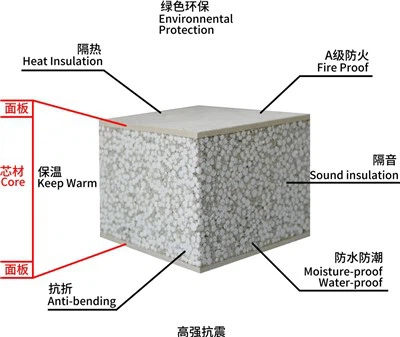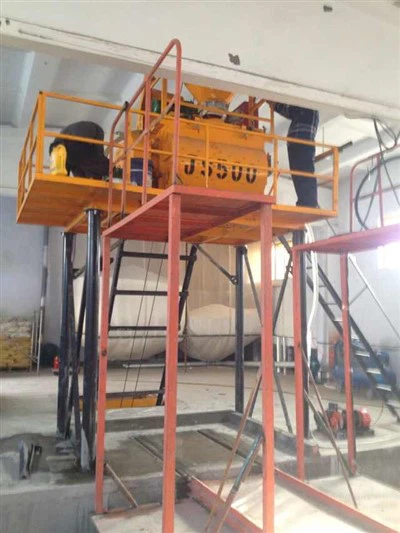

When it comes to constructing efficient and durable buildings, 180mm sandwich panel walls have become a popular choice in the construction industry. As a seasoned supplier of 180mm sandwich panel walls, I have witnessed firsthand the diverse range of materials used in their production. These materials not only determine the panel's performance but also its suitability for different applications. In this blog, I will explore the common materials used for 180mm sandwich panel walls, highlighting their properties, advantages, and potential drawbacks.
Insulation Materials
Insulation is a critical aspect of sandwich panel walls, as it helps to regulate temperature, reduce energy consumption, and enhance indoor comfort. The following are some of the most commonly used insulation materials in 180mm sandwich panel walls:
Polyurethane (PU)
Polyurethane is a high-performance insulation material known for its excellent thermal insulation properties. It has a low thermal conductivity, which means it can effectively reduce heat transfer through the wall. PU insulation also provides good sound insulation, making it suitable for buildings where noise reduction is important. Additionally, polyurethane is lightweight, which makes it easier to handle and install. However, PU insulation can be more expensive than other materials, and it may require special handling and installation procedures due to its chemical composition.
Expanded Polystyrene (EPS)
Expanded polystyrene is a widely used insulation material due to its affordability and ease of installation. EPS has a relatively low thermal conductivity, which provides decent insulation performance. It is also lightweight, making it easy to transport and install. EPS insulation is resistant to moisture, which helps to prevent mold and mildew growth. However, EPS has a lower fire resistance compared to some other insulation materials, so it may not be suitable for applications where fire safety is a major concern. Fireproof EPS Fiber Cement Sandwich Panel is an option that combines the benefits of EPS insulation with enhanced fire resistance.
Mineral Wool
Mineral wool is a popular choice for insulation in sandwich panel walls, especially in applications where fire safety is a priority. It is made from natural or synthetic minerals, such as rock or slag, and has excellent fire resistance properties. Mineral wool also provides good sound insulation and is resistant to moisture and pests. It is a relatively heavy material, which can add to the overall weight of the panel but also provides better stability. However, mineral wool can be more expensive than EPS and may require proper handling to avoid irritation to the skin and respiratory system.
Facings
The facings of a sandwich panel wall provide protection, aesthetics, and additional strength to the panel. The following are some of the common facing materials used in 180mm sandwich panel walls:
Metal
Metal facings, such as steel or aluminum, are widely used in sandwich panel walls due to their strength, durability, and weather resistance. Steel facings are particularly popular for their high strength and ability to withstand harsh environmental conditions. They can be coated with a variety of finishes, such as galvanized or painted, to enhance their corrosion resistance. Aluminum facings are lightweight and have good corrosion resistance, making them suitable for applications where weight is a concern. Metal facings also provide a modern and sleek appearance, which is often desired in commercial and industrial buildings.
Fiber Cement
Fiber cement facings are made from a combination of cement, cellulose fibers, and other additives. They offer good strength, durability, and fire resistance. Fiber cement facings are also resistant to moisture, pests, and rot, making them suitable for both interior and exterior applications. They can be manufactured in a variety of textures and colors, which allows for greater design flexibility. However, fiber cement facings can be heavier than some other facing materials, and they may require special tools for cutting and installation.
Calcium Silicate Board
Calcium silicate boards are another popular choice for facings in sandwich panel walls. They are made from calcium silicate, which provides excellent fire resistance and durability. Calcium silicate boards are also resistant to moisture and have good dimensional stability. They can be used in both interior and exterior applications, and they offer a smooth and uniform surface finish. Waterproof Calcium Silicate Board and Calcium Silicate Cement Board are examples of calcium silicate products that can be used in sandwich panel walls.
Core Materials
The core material of a sandwich panel wall provides structural support and helps to bond the facings together. The following are some of the common core materials used in 180mm sandwich panel walls:
Polyisocyanurate (PIR)
Polyisocyanurate is a high-performance core material that offers excellent thermal insulation and fire resistance properties. It has a lower thermal conductivity than many other core materials, which provides better energy efficiency. PIR core panels are also lightweight and have good structural strength. However, PIR can be more expensive than other core materials, and it may require special handling and installation procedures.
Rigid Foam
Rigid foam cores, such as polyurethane or polyisocyanurate, are commonly used in sandwich panel walls. They provide good insulation performance and structural support. Rigid foam cores are lightweight, which makes them easy to handle and install. They are also resistant to moisture, which helps to prevent damage to the panel. However, rigid foam cores can be more expensive than some other core materials, and they may require proper ventilation to prevent the buildup of volatile organic compounds (VOCs).
Considerations for Material Selection
When selecting materials for 180mm sandwich panel walls, several factors need to be considered:


Performance Requirements
The performance requirements of the building, such as insulation, fire resistance, sound insulation, and moisture resistance, will determine the most suitable materials. For example, if the building is located in a cold climate, a high-performance insulation material like polyurethane or PIR may be required. If fire safety is a major concern, materials with high fire resistance, such as mineral wool or calcium silicate board, should be considered.
Cost
Cost is an important factor in material selection. Different materials have different price points, and the overall cost of the sandwich panel wall will depend on the choice of insulation, facings, and core materials. It is important to balance the cost with the performance requirements to ensure that the selected materials provide the best value for money.
Installation and Maintenance
The ease of installation and maintenance of the materials should also be considered. Some materials may require special tools or skills for installation, while others may be more forgiving. Additionally, the long-term maintenance requirements of the materials, such as cleaning, painting, or replacement, should be taken into account.
Conclusion
In conclusion, the choice of materials for 180mm sandwich panel walls depends on a variety of factors, including performance requirements, cost, and installation and maintenance considerations. As a supplier of 180mm sandwich panel walls, I can offer a range of materials to meet different needs and budgets. Whether you are looking for high-performance insulation, fire-resistant facings, or lightweight core materials, I can provide you with the right solution for your project.
If you are interested in purchasing 180mm sandwich panel walls or have any questions about the materials and their applications, please feel free to contact me for a consultation. I am committed to providing you with the best products and services to ensure the success of your construction project.
References
- Building Construction Handbook, various editions
- Insulation Materials - Properties and Applications, industry reports
- Facing Materials for Sandwich Panels - Technical Specifications, manufacturers' documents