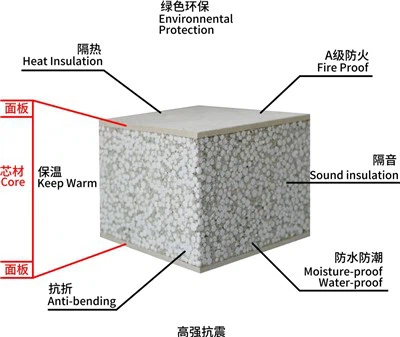

As a supplier of 120mm EPS wall panels, I understand the importance of proper transportation to ensure that these high - quality products reach our customers in perfect condition. In this blog, I will share some key aspects and best practices on how to transport 120mm EPS wall panels effectively.
Understanding the Characteristics of 120mm EPS Wall Panels
Before delving into the transportation methods, it's crucial to understand the unique features of 120mm EPS wall panels. EPS (Expanded Polystyrene) is a lightweight and insulating material. The 120mm thickness provides good thermal insulation and structural integrity. However, these panels are also relatively fragile and can be easily damaged by sharp objects, excessive pressure, or improper handling.
Pre - transportation Preparations
Inspection
Before loading the panels onto the transport vehicle, a thorough inspection is necessary. Check for any visible damage, such as cracks, dents, or broken edges. If any damaged panels are found, they should be set aside and either repaired or replaced. This step ensures that only high - quality panels are shipped to the customers.
Packaging
Proper packaging is essential to protect the 120mm EPS wall panels during transportation. We usually use protective films or wrapping materials to cover the panels. These materials can prevent scratches and minor impacts. Additionally, we use edge protectors made of foam or plastic to safeguard the vulnerable edges of the panels. For larger shipments, the panels can be bundled together using straps, but make sure not to apply too much pressure that could deform the panels.
Choosing the Right Transport Vehicle
Type of Vehicle
The choice of transport vehicle depends on the quantity of panels to be transported and the distance. For local or short - distance deliveries, a small truck or a van may be sufficient. These vehicles offer more flexibility in terms of delivery routes and can access areas with limited space. For long - distance or large - scale shipments, a semi - trailer truck is often the best option. It has a large cargo capacity and can handle a significant number of panels.
Vehicle Condition
The vehicle used for transporting 120mm EPS wall panels must be in good condition. Check the tires, brakes, and suspension system to ensure a smooth and safe journey. The cargo area should be clean, dry, and free of any sharp objects that could damage the panels. If possible, line the cargo area with a soft material, such as rubber mats, to provide additional cushioning.
Loading the Panels
Loading Method
When loading the 120mm EPS wall panels, it's important to handle them with care. Panels should be lifted using appropriate equipment, such as forklifts or cranes. Avoid dragging the panels on the ground, as this can cause abrasions. Stack the panels in an orderly manner, ensuring that they are evenly distributed within the cargo area. If the panels are stacked vertically, use support structures to prevent them from toppling over during transit.
Weight Distribution
Proper weight distribution is crucial for safe transportation. Uneven weight distribution can affect the vehicle's stability and handling, increasing the risk of accidents. Make sure that the panels are evenly spread across the cargo area, and the center of gravity of the load is as low as possible.
Securing the Panels
Strapping and Bracing
Once the panels are loaded, they need to be securely fastened to prevent movement during transportation. Use strong straps to anchor the panels to the vehicle's cargo area. These straps should be tightened properly but not so tightly that they damage the panels. In addition to strapping, use bracing materials, such as wooden blocks or foam supports, to fill any gaps between the panels and the sides of the cargo area. This helps to prevent the panels from shifting and colliding with each other.
During Transportation
Driving Conditions
The driver should be aware of the nature of the cargo and drive carefully. Avoid sudden starts, stops, and sharp turns, as these actions can cause the panels to move and potentially get damaged. On rough roads, reduce the speed to minimize the impact on the panels.
Weather Conditions
Weather can have a significant impact on the transportation of 120mm EPS wall panels. If it's raining or snowing, make sure the vehicle has a waterproof cover to protect the panels from moisture. Extreme heat can also affect the EPS material, so try to avoid transporting the panels during the hottest part of the day if possible.
Unloading the Panels
Unloading Process
When unloading the 120mm EPS wall panels, follow the same careful handling procedures as during loading. Use appropriate equipment to lift the panels and place them gently on the ground or at the installation site. Inspect the panels again after unloading to ensure that they have not been damaged during transit.
Quality Assurance After Transportation
Even with all the precautions taken, it's still possible for some panels to be damaged during transportation. As a responsible supplier, we offer a quality assurance service. If any customer finds damaged panels upon receipt, we will promptly replace them or provide appropriate compensation.
Conclusion
Transporting 120mm EPS wall panels requires careful planning and attention to detail. By following the steps outlined above, we can ensure that our customers receive high - quality panels in perfect condition. If you are interested in our Lightweight Precast EPS Cement Sandwich Panel, Calcium Silicate Partition Wall, or EPS Cement Sandwich Wall Panel, please feel free to contact us for more information and to discuss your procurement needs. We are committed to providing the best products and services to our customers.


References
- Industry standards for EPS wall panel transportation
- Best practices in logistics for fragile construction materials