
Hey there! As an EPS sandwich panel supplier, I've seen firsthand the headaches that mold growth can cause. Mold not only looks bad but can also affect the structural integrity and insulation properties of our panels. So, I'm here to share some tips on how to prevent mold growth on EPS sandwich panels.
Understanding the Enemy: What Causes Mold Growth?
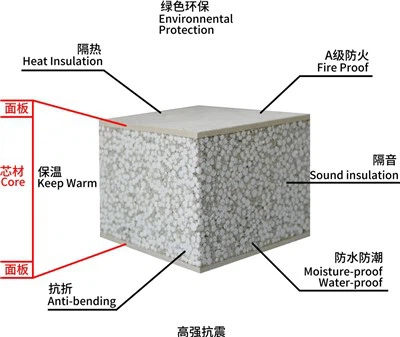
Before we dive into prevention, it's important to understand what makes mold tick. Mold loves three things: moisture, warmth, and organic material. EPS sandwich panels are made of expanded polystyrene (EPS) foam sandwiched between two layers of facing material, usually metal or cement. While EPS itself isn't an ideal food source for mold, the facing materials can provide some nutrients, and if there's moisture present, mold can start to grow.
Moisture can come from a variety of sources. It could be from leaks in the building's roof or walls, high humidity levels inside the building, or condensation on the panels. Warm temperatures also create a perfect breeding ground for mold, especially in areas where there's poor ventilation.
Keep It Dry: Moisture Control
The key to preventing mold growth is to keep the panels as dry as possible. Here are some ways to do that:
- Proper Installation: Make sure the panels are installed correctly to prevent water from seeping in. This means using the right sealants and flashing around windows, doors, and joints. If you're not confident in your installation skills, it's worth hiring a professional.
- Roof Maintenance: A leaky roof is a major source of moisture. Regularly inspect your roof for any signs of damage, such as missing shingles or cracks. Repair any issues as soon as possible to prevent water from getting into the building and onto the panels.
- Ventilation: Good ventilation is crucial for reducing humidity levels inside the building. Install exhaust fans in areas where moisture is likely to build up, such as kitchens, bathrooms, and laundry rooms. You can also open windows and doors to let fresh air in, especially on dry days.
- Dehumidifiers: In areas with high humidity, using a dehumidifier can help keep the air dry. Set the dehumidifier to maintain a relative humidity level of between 30% and 50%.
Choose the Right Panels
Not all EPS sandwich panels are created equal when it comes to mold resistance. Some panels are designed with features that make them more resistant to moisture and mold growth.
- Waterproof EPS Sandwich Panel: These panels are treated with a waterproof coating that helps prevent water from penetrating the facing material. This can significantly reduce the risk of mold growth.
- Panels with Mold-Resistant Facing: Some facing materials are treated with anti-microbial agents that inhibit the growth of mold. Look for panels that are labeled as mold-resistant.
Regular Inspections
Regular inspections are essential for catching mold growth early. Check the panels regularly for any signs of discoloration, musty odors, or visible mold. If you notice any of these signs, take action immediately.
- Cleaning: If you find mold on the panels, clean it as soon as possible. Use a mild detergent and water to scrub the affected area. You can also use a solution of bleach and water, but be careful not to damage the panels. Make sure to wear protective gear, such as gloves and a mask, when cleaning mold.
- Repairs: If the mold growth is extensive or has caused damage to the panels, you may need to replace the affected sections. Don't ignore the problem, as it can spread and cause more serious issues over time.
Temperature Control
Mold thrives in warm temperatures, so keeping the building at a moderate temperature can help prevent mold growth.


- Insulation: Make sure the building is well-insulated to prevent heat loss and condensation. 90mm EPS Concrete Sandwich Board provides excellent insulation, which can help maintain a consistent temperature inside the building.
- HVAC System: A properly functioning HVAC system can help regulate the temperature and humidity levels inside the building. Have your HVAC system serviced regularly to ensure it's working efficiently.
Other Tips
- Keep the Area Around the Panels Clean: Remove any debris, such as leaves and dirt, from around the panels. This can prevent moisture from collecting and creating a breeding ground for mold.
- Avoid Storing Wet Items Near the Panels: Don't store wet clothes, towels, or other items against the panels. This can transfer moisture to the panels and increase the risk of mold growth.
Conclusion
Preventing mold growth on EPS sandwich panels is all about keeping them dry, choosing the right panels, and performing regular inspections. By following these tips, you can protect your investment and ensure that your panels last for years to come.
If you're in the market for high-quality EPS sandwich panels, we've got you covered. Our Heat Insulation Prefabricated Cement Board is designed to provide excellent insulation and moisture resistance. Contact us today to learn more about our products and how we can help you with your project. We're always happy to chat and answer any questions you might have.
References
- Building Science Corporation. (2023). Moisture Control in Buildings.
- EPA. (2023). Mold Prevention Tips.