
As a supplier of Waterproof Cement Sandwich Boards, I often receive inquiries from customers on how to connect multiple pieces of these boards effectively. In this blog post, I'll share some professional insights and practical methods to help you achieve a secure and reliable connection.
Understanding the Characteristics of Waterproof Cement Sandwich Boards
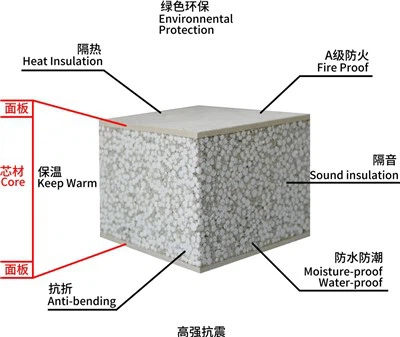
Before diving into the connection methods, it's essential to understand the unique properties of waterproof cement sandwich boards. These boards typically consist of a cement-based outer layer and an insulating core material, such as expanded polystyrene (EPS) or rock wool. The outer cement layer provides strength, durability, and waterproofing, while the core offers excellent thermal insulation.
This combination makes waterproof cement sandwich boards suitable for a wide range of applications, including Fireproof Partition Wall Panel, exterior walls, and roofing. However, to ensure the overall performance of the structure, proper connection techniques are crucial.
Preparation Before Connection
- Surface Cleaning
- Thoroughly clean the surfaces of the boards that will be joined. Remove any dust, debris, or loose particles. This step is vital as it ensures good adhesion between the boards and the connecting materials.
- Measurement and Marking
- Measure the length and height of the area where the boards will be installed. Mark the position of each board accurately to ensure a proper fit. This will help to avoid gaps or misalignments during the connection process.
- Selection of Connecting Materials
- Depending on the application and the specific requirements, choose the appropriate connecting materials. Common options include specialized adhesives, mechanical fasteners, or a combination of both.
Connection Methods
Adhesive Bonding
- Selecting the Right Adhesive
- Choose an adhesive that is specifically designed for bonding cement sandwich boards. Look for adhesives that offer high strength, good waterproofing properties, and compatibility with the board materials.
- Application of Adhesive
- Apply the adhesive evenly on one of the mating surfaces of the boards. Use a notched trowel to create a uniform layer of adhesive, which helps to ensure proper contact and adhesion.
- Pressing the Boards Together
- Carefully align the two boards and press them firmly together. Apply pressure evenly across the entire surface to ensure a strong bond. Use clamps or weights if necessary to hold the boards in place while the adhesive cures.
- Curing Time
- Follow the manufacturer's instructions regarding the curing time of the adhesive. Avoid disturbing the boards during this period to allow the adhesive to reach its maximum strength.
Mechanical Fastening
- Types of Fasteners
- There are several types of mechanical fasteners that can be used to connect waterproof cement sandwich boards, such as screws, nails, or bolts. The choice of fastener depends on the thickness of the boards and the load-bearing requirements.
- Drilling Holes
- If using screws or bolts, drill holes in the boards at the appropriate locations. Make sure the holes are slightly smaller than the diameter of the fasteners to ensure a tight fit.
- Installing Fasteners
- Insert the fasteners through the holes and tighten them securely. Be careful not to overtighten, as this may damage the boards. Use washers if necessary to distribute the load evenly.
- Sealing the Fastener Holes
- After installing the fasteners, seal the holes with a waterproof sealant to prevent water penetration. This helps to maintain the waterproofing integrity of the boards.
Combination of Adhesive and Mechanical Fastening
In many cases, a combination of adhesive bonding and mechanical fastening provides the best results. The adhesive helps to create a strong initial bond and fills any small gaps between the boards, while the mechanical fasteners provide additional reinforcement and stability.
- Apply Adhesive First
- Follow the steps for adhesive bonding as described above. Apply the adhesive to the mating surfaces of the boards and press them together.
- Install Mechanical Fasteners
- While the adhesive is still wet, install the mechanical fasteners at the appropriate intervals. This helps to hold the boards in place while the adhesive cures and provides long - term stability.
- Final Sealing
- Once the adhesive has cured and the fasteners are installed, seal any gaps or joints with a waterproof sealant to ensure a watertight connection.
Quality Control and Inspection
- Visual Inspection
- After connecting the boards, conduct a visual inspection to check for any gaps, misalignments, or signs of poor adhesion. Make sure the boards are properly aligned and the joints are tight.
- Waterproofing Test
- Perform a simple waterproofing test by spraying water on the joints and observing for any signs of leakage. If there are any leaks, identify the source and take appropriate measures to seal the joints.
- Load - Bearing Test
- If the connected boards are part of a load - bearing structure, perform a load - bearing test to ensure that the connection can withstand the expected loads. This may involve applying a specified amount of weight or pressure to the structure and monitoring for any signs of failure.
Conclusion
Connecting multiple pieces of waterproof cement sandwich boards requires careful planning, proper selection of materials, and precise execution of the connection methods. By following the steps outlined in this blog post, you can ensure a secure, waterproof, and durable connection.
If you have any further questions or are interested in purchasing our 100mm Prefabricated Insulated Wall Panels or 100mm EPS Sandwich Panel, please feel free to contact us for more information and to discuss your specific requirements. We are committed to providing high - quality products and professional technical support to meet your needs.


References
- Building Construction Handbook, McGraw - Hill
- Cement Sandwich Board Installation Guide, Industry Standard Publication