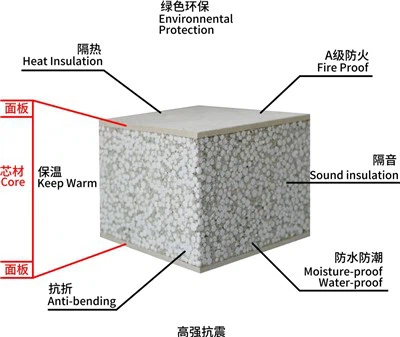

As a supplier of 120mm EPS wall panels, I understand the importance of maintaining these panels to ensure their longevity and aesthetic appeal. EPS (Expanded Polystyrene) wall panels are known for their insulation properties, lightweight nature, and ease of installation. However, like any building material, they require regular cleaning to keep them in top condition. In this blog post, I will share some effective methods and tips on how to clean 120mm EPS wall panels.
Understanding the Material
Before diving into the cleaning process, it's essential to understand the nature of EPS wall panels. EPS is a type of plastic foam that is lightweight and porous. This porosity means that it can absorb dirt, dust, and stains over time. However, it is also relatively easy to clean as long as you use the right methods and products.
Pre - cleaning Preparation
- Inspect the Panels: Before starting the cleaning process, carefully inspect the 120mm EPS wall panels for any signs of damage, such as cracks or holes. If you find any damage, it's best to repair it before cleaning to prevent further issues.
- Gather Supplies: You will need a few basic supplies for cleaning EPS wall panels. These include a soft - bristled brush, a mild detergent, a bucket of warm water, a clean sponge or cloth, and a ladder if the panels are installed at a height.
Cleaning Methods
Dry Cleaning
- Dusting: For light dirt and dust, dry cleaning is often sufficient. Use a soft - bristled brush or a microfiber cloth to gently dust the surface of the EPS wall panels. Start from the top and work your way down to prevent dust from falling onto already cleaned areas. This method is quick and easy and can be done regularly to maintain the panels' cleanliness.
- Vacuuming: If the dust is more stubborn, you can use a vacuum cleaner with a soft brush attachment. Gently run the attachment over the surface of the panels to suck up the dust. Make sure to use a low - suction setting to avoid damaging the EPS material.
Wet Cleaning
- Prepare the Cleaning Solution: Fill a bucket with warm water and add a small amount of mild detergent. Mix the solution well until it forms a soapy mixture. Avoid using harsh chemicals or abrasive cleaners, as they can damage the EPS panels.
- Test the Solution: Before applying the cleaning solution to the entire panel, test it on a small, inconspicuous area. Wait a few minutes to see if there are any adverse reactions, such as discoloration or damage to the material. If everything looks fine, you can proceed with the cleaning.
- Clean the Panels: Dip a clean sponge or cloth into the soapy water and wring it out until it is damp, not soaking wet. Gently wipe the surface of the EPS wall panels in a circular motion. Pay special attention to areas with stains or heavy dirt. For stubborn stains, you can use a soft - bristled brush to gently scrub the area.
- Rinse the Panels: After cleaning, rinse the panels with clean water to remove any soap residue. You can use a clean sponge or cloth dampened with water for this step. Make sure to remove all the soap, as residue can attract more dirt over time.
- Dry the Panels: Use a dry cloth or towel to pat the panels dry. Allow the panels to air - dry completely before closing any doors or windows in the area to prevent moisture from getting trapped.
Special Considerations
- Stain Removal: Different types of stains require different treatment methods.
- Oil - based Stains: For oil - based stains, you can use a degreaser specifically designed for use on plastic materials. Apply the degreaser to a clean cloth and gently rub the stained area. Rinse thoroughly with water and dry the panel.
- Mold and Mildew: If you notice mold or mildew on the EPS wall panels, it's important to address it immediately. Mix a solution of one part bleach to ten parts water and apply it to the affected area using a sponge or cloth. Let the solution sit for a few minutes, then rinse it off with clean water. Make sure to wear protective gloves and a mask when working with bleach.
- Panel Edges and Joints: The edges and joints of the EPS wall panels can accumulate dirt and debris. Use a small brush or a cotton swab to clean these areas. Pay close attention to the seams to ensure that they are free of dirt and moisture.
Maintaining Cleanliness
- Regular Cleaning Schedule: Establish a regular cleaning schedule for your 120mm EPS wall panels. Depending on the environment and usage, cleaning once every few months may be sufficient. However, in areas with high traffic or exposure to dirt, more frequent cleaning may be required.
- Protect the Panels: To prevent dirt and stains from building up, you can take some preventive measures. For example, if the panels are installed in an area where there is a lot of foot traffic, consider using a doormat to reduce the amount of dirt brought in. You can also apply a protective coating to the panels to make them easier to clean.
Other Related Products
If you are interested in other types of sandwich panels, we also offer a range of high - quality products. Check out our Fiber Cement Sandwich Panel, 100mm Lightweight Sandwich Panel, and 75mm Thickness EPS Sandwich Panel. These panels have their own unique features and benefits and can be a great addition to your building projects.
Conclusion
Cleaning 120mm EPS wall panels is not a difficult task if you follow the right methods and use the appropriate products. By regularly cleaning and maintaining these panels, you can ensure their durability, functionality, and aesthetic appeal. If you have any questions about cleaning or using our EPS wall panels, or if you are interested in purchasing our products for your next project, please feel free to contact us for a detailed discussion. We are always here to provide you with the best solutions and support.


References
- "Building Materials Handbook" by John P. Reynolds
- "Insulation Materials and Applications" by David S. Lee