
Hey there! As a supplier of EPS sandwich panels, I'm super excited to take you behind the scenes and show you how these amazing panels are made. EPS sandwich panels are widely used in construction for their insulation, durability, and cost - effectiveness. So, let's jump right in!
Step 1: Gathering Raw Materials
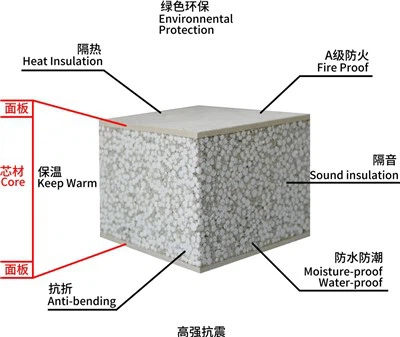
The first step in making an EPS sandwich panel is to gather all the necessary raw materials. We need expanded polystyrene (EPS) foam, which is the core of the panel. EPS is a lightweight, rigid, and highly insulating material. It's made by expanding small beads of polystyrene using steam.
We also need two outer layers, which can be made from different materials like steel, aluminum, or cement - based sheets. The choice of outer layer depends on the specific application of the panel. For example, if the panel is going to be used in an industrial building, steel outer layers might be a great option because of their strength and durability.
Step 2: Preparing the EPS Core
Once we have the raw materials, it's time to prepare the EPS core. We start by cutting the large blocks of EPS foam into the required size and shape. This is done using special cutting machines that can make precise cuts. The size of the EPS core will depend on the dimensions of the final sandwich panel.


After cutting, we might also perform some surface treatments on the EPS core. This can include sanding or applying a special coating to improve the adhesion between the core and the outer layers. This step is crucial because a good bond between the core and the outer layers ensures the overall strength and performance of the sandwich panel.
Step 3: Coating the Outer Layers
The next step is to coat the outer layers. If we're using steel or aluminum sheets, we first clean them to remove any dirt, oil, or rust. Then, we apply a primer to protect the metal from corrosion and to improve the adhesion of the subsequent coatings.
After the primer has dried, we apply a finish coating. This coating can be chosen based on the aesthetic and functional requirements. For example, we might use a paint with high - UV resistance if the panel is going to be exposed to direct sunlight.
Step 4: Assembling the Sandwich Panel
Now comes the most exciting part - assembling the sandwich panel. We use an adhesive to bond the EPS core to the outer layers. There are different types of adhesives available, and we choose the one that is best suited for the materials we're using.
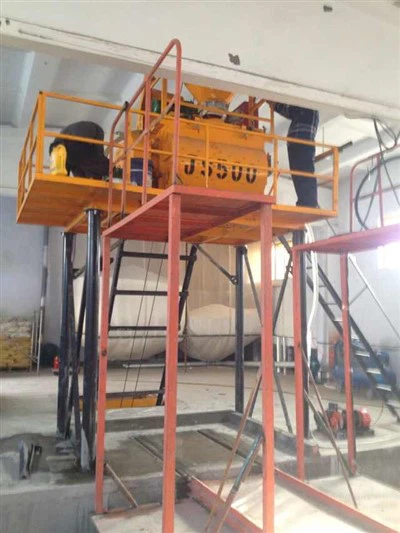
We place the EPS core between the two coated outer layers and apply pressure to ensure a strong bond. This can be done using hydraulic presses or other pressing machines. The pressure helps to spread the adhesive evenly and eliminates any air bubbles that might be trapped between the layers.
Step 5: Quality Control
Once the panel is assembled, we conduct a series of quality control tests. We check the dimensions of the panel to make sure they meet the specifications. We also test the strength of the panel by applying a certain amount of force to see how it responds.
We check the insulation properties of the panel using specialized equipment. Good insulation is one of the main selling points of EPS sandwich panels, so we need to make sure that the panel can effectively reduce heat transfer.
Step 6: Packaging and Shipping
After passing the quality control tests, the panels are ready for packaging. We wrap the panels in protective materials to prevent any damage during transportation. Then, we label the packages with important information such as the dimensions, weight, and handling instructions.
We use different shipping methods depending on the customer's location and requirements. For local customers, we might use trucks for transportation, while for international customers, we might use containers shipped by sea.
Applications of EPS Sandwich Panels
EPS sandwich panels have a wide range of applications. They are commonly used in the construction of industrial buildings, such as factories and warehouses. The high insulation properties of the panels help to reduce energy costs by keeping the interior of the building at a stable temperature.
They are also used in the construction of cold storage facilities. The panels can effectively maintain the low temperature inside the storage area, which is essential for storing perishable goods.
In addition, EPS sandwich panels can be used for residential construction. They can be used to build walls, roofs, and partitions, providing a cost - effective and energy - efficient solution. You can check out our 100mm Prefabricated Insulated Wall Panels and Polystyrene Wall Panels for more details on the types of panels we offer for different applications.
Special Types of EPS Sandwich Panels
We also offer some special types of EPS sandwich panels, such as the EPS Cement Concrete Sandwich Panel. This type of panel combines the insulation properties of EPS with the strength and durability of cement concrete. It's a great option for applications where high - strength and fire - resistance are required.
Why Choose Our EPS Sandwich Panels
As a supplier, we take pride in offering high - quality EPS sandwich panels. We use the latest manufacturing techniques and the best raw materials to ensure that our panels meet the highest standards. Our panels are not only durable and energy - efficient but also cost - effective.
We also provide excellent customer service. We can help you choose the right type of panel for your specific application and offer technical support throughout the installation process.
If you're interested in purchasing EPS sandwich panels for your next project, don't hesitate to get in touch. We're always happy to have a chat about your requirements and provide you with a competitive quote. Whether you're a contractor, a builder, or a DIY enthusiast, we have the right EPS sandwich panel for you.
References
- Building Construction Handbook, McGraw - Hill
- Handbook of Sandwich Structures, Woodhead Publishing