
Hey there! As a supplier of EPS Cement Seismic Panels, I'm super stoked to share with you how these panels are a game - changer in sustainable building design.
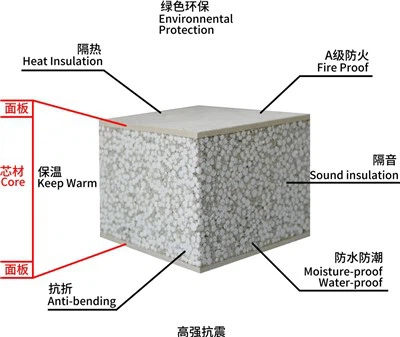
First off, let's talk about what EPS Cement Seismic Panels are. EPS stands for Expanded Polystyrene, which is a lightweight and highly insulating material. These panels are made by combining EPS with cement, creating a strong, durable, and versatile building material. They're designed to withstand seismic activity, making them ideal for areas prone to earthquakes.
Energy Efficiency
One of the biggest perks of EPS Cement Seismic Panels is their outstanding energy - efficiency. In today's world, where energy conservation is crucial, these panels are a great choice. The EPS core in the panels acts as an excellent insulator. It reduces the transfer of heat between the inside and outside of a building.
During the hot summer months, it keeps the cool air inside, so you don't have to rely as much on air - conditioning. And in the cold winter, it traps the warm air, reducing the need for excessive heating. This significant reduction in energy consumption not only saves you money on utility bills but also lessens the overall carbon footprint of the building.
Take a look at the Heat Insulation Prefabricated Cement Board. This product is a prime example of how EPS Cement Seismic Panels can be used to achieve top - notch heat insulation. It's pre - fabricated, which means it can be quickly installed, saving both time and labor costs during construction.
Durability and Longevity
Sustainable building design isn't just about energy efficiency; it's also about creating structures that last. EPS Cement Seismic Panels are incredibly durable. The cement outer layer provides strength and protection against external elements like wind, rain, and sunlight.
These panels are also resistant to fire, mold, and pests. Unlike traditional building materials that may deteriorate over time due to these factors, EPS Cement Seismic Panels maintain their integrity for decades. This longevity means that buildings constructed with these panels won't need frequent repairs or replacements, reducing waste and the consumption of additional building materials.
For instance, the 120mm EPS Cement Sandwich Panel is built to last. Its thickness and construction make it a reliable choice for various building applications, from residential homes to commercial buildings.
Seismic Resistance
As I mentioned earlier, EPS Cement Seismic Panels are designed to withstand seismic activity. In earthquake - prone regions, this is a critical feature for sustainable building design. When a building can withstand an earthquake, it reduces the need for reconstruction after a seismic event. This not only saves resources but also minimizes the disruption to the lives of the building's occupants.
The panels' lightweight nature and flexible structure allow them to absorb and dissipate seismic energy. They can bend and flex during an earthquake without breaking, which helps to keep the building standing. This is a huge advantage over traditional building materials that may be more rigid and prone to collapse during seismic events.
Sound Insulation
Another aspect of sustainable building design is creating a comfortable living or working environment. EPS Cement Seismic Panels offer excellent sound insulation properties. The EPS core helps to absorb sound waves, reducing noise transmission between different parts of a building and from the outside.
In a residential setting, this means a quieter home where you can relax without being disturbed by external noise. In a commercial building, it can improve the working environment and increase productivity. Check out the Soundproof EPS Panels for Walls to see how these panels can transform the acoustic quality of a space.
Reduced Construction Waste
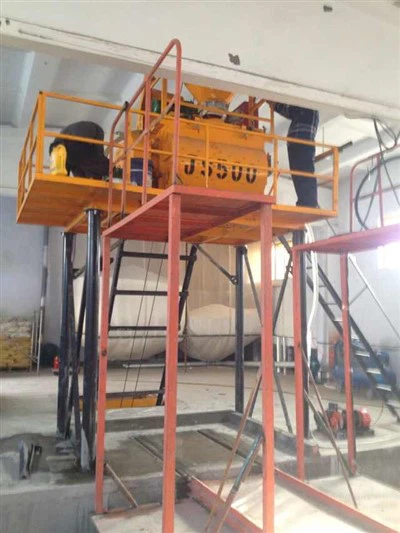
When it comes to construction, waste is a significant issue. Traditional building methods often generate a large amount of waste, from leftover materials to packaging. EPS Cement Seismic Panels are pre - fabricated in a factory environment. This allows for precise manufacturing and reduces the amount of waste produced during construction.
The panels are made to exact specifications, so there's less cutting and fitting on - site. And because they're lightweight, they require less energy to transport to the construction site. All these factors contribute to a more sustainable construction process.


Contribution to LEED Certification
For those involved in green building projects, Leadership in Energy and Environmental Design (LEED) certification is a big deal. EPS Cement Seismic Panels can contribute to achieving LEED points in several categories. Their energy - efficiency helps with the Energy and Atmosphere category. The reduced waste during construction can earn points in the Materials and Resources category. And their durability and long - term performance can contribute to the Sustainable Sites and Innovation in Design categories.
Cost - Effectiveness
Finally, let's talk about cost. While sustainable building materials may sometimes have a higher upfront cost, EPS Cement Seismic Panels offer long - term savings. The reduced energy consumption, lower maintenance costs, and decreased risk of damage during seismic events all add up to significant savings over the life of the building.
In addition, the quick installation process means less labor time, which can also save money. When you consider all these factors, EPS Cement Seismic Panels are a cost - effective choice for sustainable building design.
If you're interested in incorporating EPS Cement Seismic Panels into your next building project, I'd love to chat. Whether you're an architect, a builder, or a property owner, these panels can bring a host of benefits to your project. Reach out to start a conversation about how we can work together to create a more sustainable and efficient building.
References
- "Sustainable Building Materials: Properties, Selection, and Application" by Vikas Kumar
- "Earthquake - Resistant Design of Buildings" by Anil K. Chopra
- "Energy - Efficient Building Design" by Joseph Lstiburek