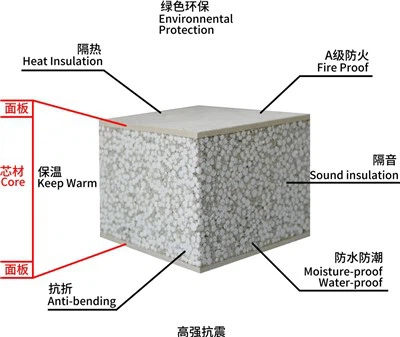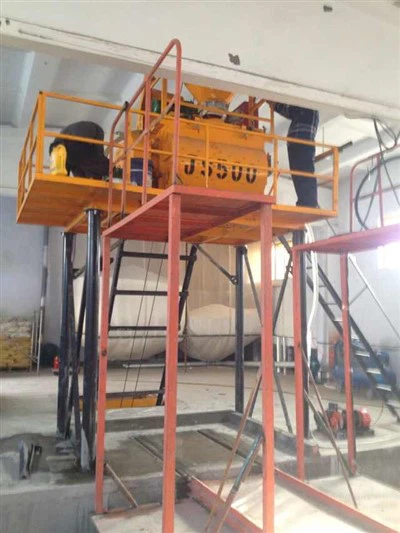

Polystyrene wall panels have emerged as a revolutionary solution in the construction industry, particularly when it comes to enhancing energy efficiency. As a supplier of high - quality polystyrene wall panels, I've witnessed firsthand the significant impact these panels can have on reducing energy consumption and creating more sustainable buildings. In this blog, I'll delve into the science behind how polystyrene wall panels contribute to energy efficiency, exploring their properties, installation benefits, and real - world applications.
The Science of Polystyrene Insulation
Polystyrene is a synthetic aromatic hydrocarbon polymer made from the monomer styrene. There are two main types commonly used in wall panels: expanded polystyrene (EPS) and extruded polystyrene (XPS). Both types have excellent insulating properties, which are crucial for energy efficiency.
The insulating ability of polystyrene is measured by its R - value, which represents the material's resistance to heat flow. A higher R - value means better insulation. Polystyrene wall panels typically have a high R - value, which means they can effectively slow down the transfer of heat between the interior and exterior of a building.
Heat transfer occurs through three main mechanisms: conduction, convection, and radiation. Polystyrene wall panels address each of these mechanisms. In terms of conduction, the closed - cell structure of polystyrene restricts the movement of heat through the material. The cells trap air, which is a poor conductor of heat, effectively reducing the rate of heat conduction.
For convection, the solid structure of the wall panels prevents air movement within the panel itself. This stops the formation of convective currents that could carry heat through the wall. Regarding radiation, polystyrene has properties that can reflect and absorb radiant heat, further reducing heat transfer.
Energy Efficiency Benefits in Different Climates
In cold climates, polystyrene wall panels act as a thermal barrier, preventing the warm air inside the building from escaping. This means that heating systems don't have to work as hard to maintain a comfortable indoor temperature. For example, in a house located in a region with long, cold winters, installing polystyrene wall panels can significantly reduce heating costs. The high R - value of the panels ensures that heat is retained within the living space, leading to less energy consumption for heating.
Conversely, in hot climates, these panels keep the hot outdoor air from entering the building. They reflect and block the sun's radiant heat, helping to keep the interior cool. Air - conditioning systems then require less energy to maintain a comfortable temperature. In a commercial building in a tropical region, for instance, the use of polystyrene wall panels can lead to substantial savings on cooling costs over time.
Installation and Air Sealing
Proper installation of polystyrene wall panels is essential for maximizing energy efficiency. When installed correctly, the panels create a continuous insulation layer around the building envelope. This seamless installation reduces air leakage, which is a major contributor to energy loss.
During installation, the joints between the panels are sealed to prevent air infiltration. Even small gaps can allow significant amounts of air to pass through, undermining the insulation's effectiveness. By ensuring a tight seal, the wall panels create an air - tight barrier that enhances energy efficiency.
In addition to air sealing, the lightweight nature of polystyrene wall panels makes them easier to install compared to traditional building materials. This can lead to faster construction times, reducing the overall energy consumption associated with the building process.
Durability and Long - Term Energy Savings
Polystyrene wall panels are known for their durability. They can withstand a variety of environmental conditions, including moisture, pests, and temperature fluctuations. This long - lasting nature means that the insulation performance of the panels remains consistent over time.
Unlike some other insulation materials that may degrade or lose their insulating properties over the years, polystyrene wall panels maintain their high R - value. This ensures that the energy savings achieved through their installation continue to accrue over the life of the building. For a long - term investment like a commercial building or a residential home, the durability of polystyrene wall panels is a significant advantage in terms of energy efficiency and cost - effectiveness.
Real - World Applications
Polystyrene wall panels are used in a wide range of construction projects, from residential homes to large - scale commercial buildings. In residential construction, they can be used in new builds or as part of energy - efficient retrofit projects. For example, homeowners looking to improve the energy performance of their older homes can install polystyrene wall panels on the interior or exterior walls.
In commercial construction, these panels are commonly used in warehouses, factories, and office buildings. Their ability to provide excellent insulation and reduce energy costs makes them an attractive option for businesses looking to cut down on operational expenses.
Our Product Range
As a supplier, we offer a diverse range of polystyrene wall panels to meet different customer needs. Our Heat Insulation Prefabricated Cement Board combines the insulating properties of polystyrene with the strength and durability of cement. This product is ideal for applications where both insulation and structural integrity are required.
Our Lightweight Precast EPS Cement Sandwich Panel is another popular choice. It is easy to handle and install, making it suitable for a variety of construction projects. The panel provides excellent thermal insulation while being lightweight, which can reduce the overall load on the building structure.
For applications where fire safety is a concern, our Fireproof EPS Fiber Cement Sandwich Panel is the perfect solution. It offers high - level fire resistance in addition to its energy - efficient properties.
Conclusion and Call to Action
In conclusion, polystyrene wall panels are a game - changer when it comes to energy efficiency in the construction industry. Their ability to reduce heat transfer, address different heat transfer mechanisms, and perform well in various climates makes them an essential component for sustainable building design.
Whether you're a homeowner looking to reduce energy costs, a contractor working on a new construction project, or a business owner aiming to improve the energy performance of your commercial building, our polystyrene wall panels can meet your needs.
If you're interested in learning more about our products or would like to discuss a potential project, please don't hesitate to contact us. We're here to provide you with detailed information, product samples, and support throughout the purchasing process. Let's work together to create more energy - efficient buildings and a more sustainable future.


References
- ASHRAE Handbook of Fundamentals. American Society of Heating, Refrigerating and Air - Conditioning Engineers.
- Building Science Corporation. "Insulation and Energy Efficiency." A research report on the impact of insulation materials on building energy performance.
- International Energy Agency. "Energy Efficiency in Buildings." A global report on the role of building materials in energy conservation.