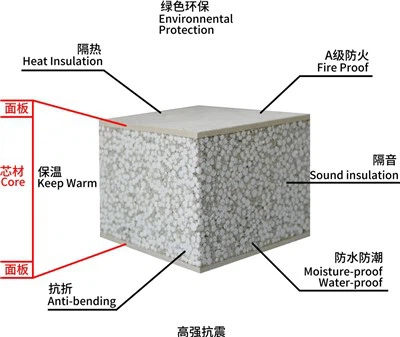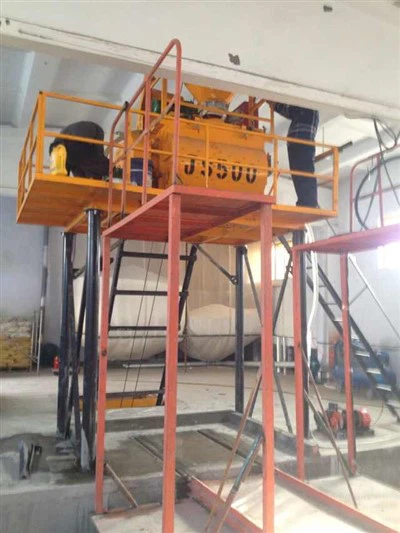

When it comes to constructing partition walls, there are numerous materials available in the market. Two popular choices are EPS partition wall panels and stone partition walls. As a supplier of EPS partition wall panels, I have witnessed firsthand the benefits and drawbacks of each option. In this blog post, I will compare EPS partition wall panels to stone partition walls, highlighting their differences in terms of cost, installation, durability, and environmental impact.
Cost
One of the most significant factors to consider when choosing a partition wall material is cost. Stone partition walls are generally more expensive than EPS partition wall panels. The cost of stone varies depending on the type, quality, and availability, but it is typically higher than EPS. Additionally, the installation of stone partition walls is more labor-intensive, which adds to the overall cost.
On the other hand, EPS partition wall panels are relatively inexpensive. The materials used to manufacture EPS panels, such as expanded polystyrene (EPS) and cement, are readily available and affordable. The installation process is also quicker and easier, reducing labor costs. As a result, EPS partition wall panels are a cost-effective solution for both residential and commercial construction projects.
Installation
The installation process is another crucial aspect to consider when comparing EPS partition wall panels to stone partition walls. Stone partition walls require skilled masons to cut, shape, and install the stones. The process is time-consuming and labor-intensive, often requiring several days or even weeks to complete. Additionally, stone walls need to be properly supported and reinforced to ensure their stability.
In contrast, EPS partition wall panels are lightweight and easy to install. They can be cut to size using a saw and are typically installed using a simple tongue-and-groove system. The panels can be quickly assembled on-site, reducing installation time and labor costs. This makes EPS partition wall panels an ideal choice for projects with tight deadlines or limited budgets.
Durability
Durability is an important consideration when choosing a partition wall material. Stone partition walls are known for their strength and durability. They can withstand heavy impacts and are resistant to fire, water, and pests. Stone walls can last for decades or even centuries with proper maintenance.

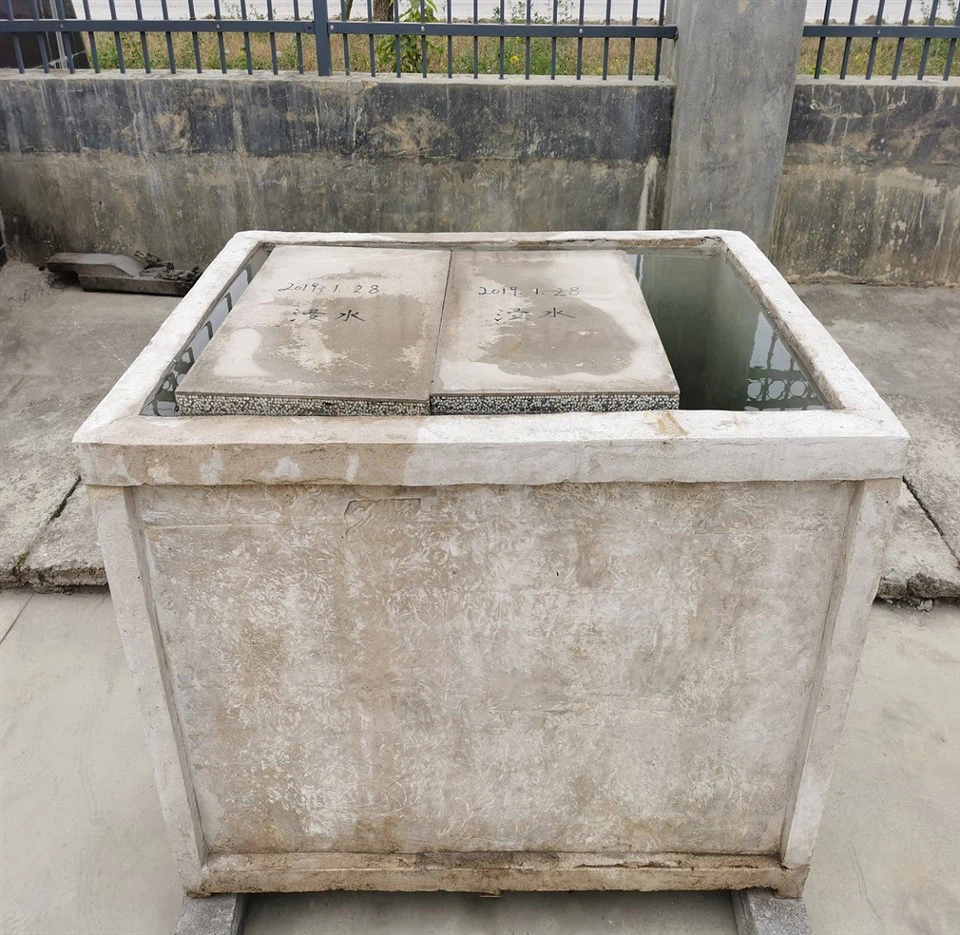
EPS partition wall panels, while not as durable as stone, are still a reliable option. They are made from high-quality materials that are designed to withstand normal wear and tear. EPS panels are also resistant to fire, water, and pests, making them suitable for a variety of applications. However, they may not be as suitable for high-traffic areas or areas prone to heavy impacts.
Environmental Impact
In today's environmentally conscious world, the environmental impact of building materials is an important consideration. Stone partition walls are a natural and sustainable material. They are made from natural stone, which is a renewable resource. Additionally, stone walls have a long lifespan, reducing the need for frequent replacements.
EPS partition wall panels are also an environmentally friendly option. The materials used to manufacture EPS panels, such as expanded polystyrene (EPS) and cement, are recyclable. EPS panels are also energy-efficient, as they provide excellent insulation, reducing energy consumption and greenhouse gas emissions.

Conclusion
In conclusion, both EPS partition wall panels and stone partition walls have their advantages and disadvantages. Stone partition walls are more expensive, time-consuming to install, and offer greater durability. On the other hand, EPS partition wall panels are cost-effective, easy to install, and environmentally friendly.
As a supplier of EPS partition wall panels, I believe that EPS panels are a great choice for many construction projects. They offer a balance of affordability, durability, and environmental friendliness. If you are considering using partition walls in your next project, I encourage you to explore the benefits of EPS partition wall panels.
To learn more about our Lightweight Partition Wall Panel, 90mm Waterproof EPS Sandwich Panel, and Waterproof Cement Sandwich Board, please contact us to discuss your specific requirements and start a procurement negotiation.
References
- "Building Materials: A Guide to Selection and Specification." By John R. Lyons.
- "Sustainable Construction: Green Building Design and Delivery." By Charles J. Kibert.
- "The Architecture of Partition Walls: A Historical and Contemporary Perspective." By Sarah Williams Goldhagen.