
Do EPS insulation panels have any health risks?
As a supplier of EPS insulation panels, I often encounter concerns from customers regarding the potential health risks associated with these products. EPS, or expanded polystyrene, is a widely used insulation material known for its excellent thermal performance, lightweight nature, and cost - effectiveness. However, the question of its safety and impact on human health is a crucial one that deserves in - depth exploration.
Composition and Characteristics of EPS Insulation Panels
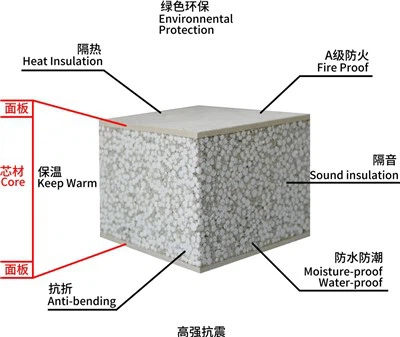
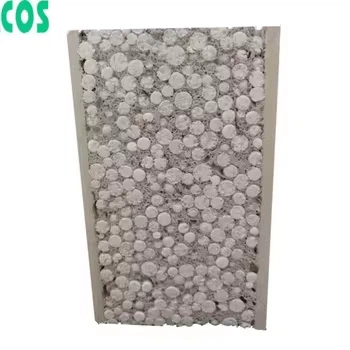
EPS insulation panels are made from small beads of polystyrene that are expanded and fused together. Polystyrene is a synthetic polymer composed of styrene monomers. During the manufacturing process, these beads are heated with steam, causing them to expand and bond, creating a rigid foam structure. The resulting panels have a closed - cell structure, which gives them good insulation properties and makes them resistant to moisture.
Chemical Safety of EPS
One of the main concerns about EPS insulation panels is the presence of styrene, a chemical that has been the subject of some health - related studies. Styrene is classified as a possible human carcinogen by the International Agency for Research on Cancer (IARC). However, the amount of styrene that can be released from EPS insulation panels is extremely low under normal conditions.
When EPS insulation panels are installed and used in buildings, they are in a stable state. The closed - cell structure of EPS helps to contain any potential styrene emissions. Moreover, modern manufacturing processes have strict quality control measures in place to ensure that the levels of styrene in the final product are well below the safety limits set by regulatory authorities.
A study published in the Journal of Building Physics found that the indoor air quality in buildings insulated with EPS panels did not show significant increases in styrene concentrations compared to non - insulated buildings. This indicates that under normal use, EPS insulation panels do not pose a significant risk of styrene exposure to building occupants.

Fire Safety and Health Implications
Another aspect to consider is the fire safety of EPS insulation panels. EPS is a combustible material, but many manufacturers, including us, offer Fireproof Foamed EPS Sandwich Panel that are treated with fire - retardant chemicals. These fire - retardant additives help to reduce the flammability of the panels and slow down the spread of fire in case of an incident.
However, when exposed to high - temperature fires, EPS can release toxic gases such as carbon monoxide and styrene. This is a concern for the health and safety of people in the building during a fire. It is important to note that proper installation and the use of appropriate fire - safety measures, such as fire - rated partitions and sprinkler systems, can significantly reduce the risk of fire - related health hazards.
Indoor Air Quality and Allergies
Some people may be concerned about the impact of EPS insulation panels on indoor air quality and the potential for allergic reactions. In general, EPS is a relatively inert material and does not release significant amounts of volatile organic compounds (VOCs) into the air. VOCs are chemicals that can cause respiratory problems, headaches, and other health issues.
There is limited evidence to suggest that EPS insulation panels can cause allergic reactions. However, as with any building material, individuals with specific sensitivities or allergies may experience some discomfort. It is always a good idea to consult with a medical professional if you have concerns about potential allergic reactions to building materials.
Environmental and Health Lifecycle Considerations
The environmental and health impacts of EPS insulation panels should also be considered over their entire lifecycle. EPS is a non - biodegradable material, which means that it can persist in the environment for a long time. However, many EPS insulation panels can be recycled at the end of their useful life. Recycling helps to reduce the environmental impact and also conserves resources.
During the manufacturing process of EPS insulation panels, energy is consumed, and there may be some emissions associated with the production of the raw materials. However, the energy savings achieved through the use of EPS insulation panels in buildings over their lifetime can far outweigh the initial environmental and energy costs of production.
Our Commitment to Safety
As a supplier of EPS insulation panels, we are committed to ensuring the safety and quality of our products. We work closely with manufacturers who follow strict quality control standards and use the latest technologies to produce EPS insulation panels that meet or exceed regulatory requirements.
We offer a range of 100mm Lightweight Sandwich Panel that are designed for different applications and provide excellent insulation performance. Our Calcium Silicate Board for Prefabricated Houses is also a popular choice for its fire - resistance and durability.
Conclusion
In conclusion, while there are some potential health risks associated with EPS insulation panels, such as the presence of styrene and the release of toxic gases in case of a fire, these risks can be effectively managed through proper manufacturing, installation, and use. Under normal conditions, EPS insulation panels do not pose a significant threat to human health.
If you are considering using EPS insulation panels for your building project, we encourage you to contact us for more information. Our team of experts can provide you with detailed product specifications, safety data, and guidance on proper installation and use. We are here to help you make an informed decision and ensure that your building is well - insulated and safe.
References
- Journal of Building Physics, "Indoor air quality assessment in buildings insulated with EPS panels"
- International Agency for Research on Cancer (IARC), "Monographs on the Evaluation of Carcinogenic Risks to Humans: Styrene"