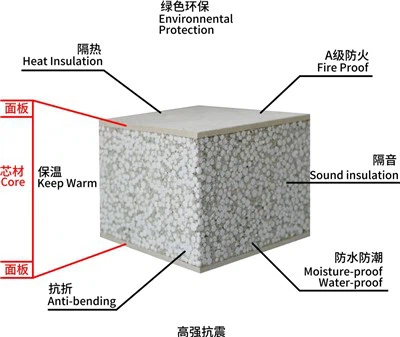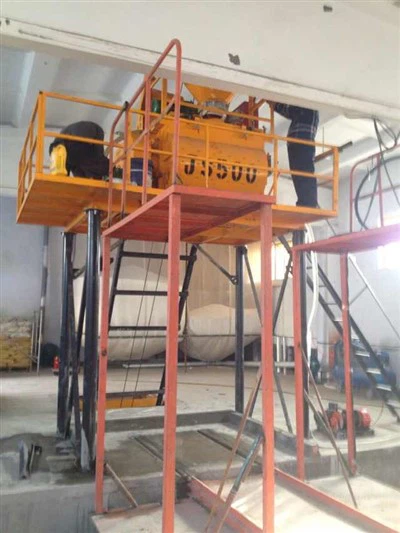

Calcium silicate partition walls have gained significant popularity in the construction industry due to their numerous advantages, such as excellent fire resistance, high strength, and good insulation properties. As a supplier of calcium silicate partition walls, I often receive inquiries from customers regarding the necessity of treating these walls against pests. In this blog post, I will delve into this topic, exploring whether calcium silicate partition walls need pest treatment and providing insights to help you make an informed decision.
Understanding Calcium Silicate Partition Walls
Before discussing pest treatment, it's essential to understand the nature of calcium silicate partition walls. These walls are typically made from calcium silicate board, which is a composite material composed of cement, silica sand, and other additives. The manufacturing process involves high-temperature autoclaving, which results in a dense and durable material with low porosity.
The physical properties of calcium silicate partition walls make them inherently resistant to many common pests. For instance, the dense structure of the material makes it difficult for insects to bore through or nest within the walls. Additionally, calcium silicate is not a food source for pests, so there is no incentive for them to infest the walls.
Common Pests and Their Impact on Buildings
Pests can cause significant damage to buildings, compromising their structural integrity and posing health risks to occupants. Some of the most common pests in buildings include termites, ants, rodents, and cockroaches.


- Termites: Termites are known for their ability to feed on wood and cellulose materials, causing structural damage to buildings. However, since calcium silicate partition walls do not contain wood or cellulose, they are generally not a target for termite infestations.
- Ants: Ants are attracted to food sources and moisture. While they may not directly damage calcium silicate partition walls, they can create nests in wall voids or around the perimeter of the walls, causing nuisance and potential entry points for other pests.
- Rodents: Rodents, such as mice and rats, can chew through various materials, including insulation and wiring, to create nests and access food sources. Although calcium silicate partition walls are relatively hard, rodents may still be able to gnaw on the edges or joints if they are not properly sealed.
- Cockroaches: Cockroaches are attracted to warm, moist environments and can carry diseases. They can hide in cracks and crevices in walls, including calcium silicate partition walls, and contaminate food and surfaces.
Factors Affecting the Need for Pest Treatment
While calcium silicate partition walls are generally resistant to pests, several factors may increase the risk of infestation and necessitate pest treatment:
- Location: Buildings located in areas with high pest populations or in close proximity to natural habitats are more likely to experience pest problems. For example, buildings near forests or wetlands may be at a higher risk of termite or ant infestations.
- Moisture: Excessive moisture can create a favorable environment for pests, especially termites and cockroaches. If calcium silicate partition walls are exposed to water leaks or high humidity levels, they may become more susceptible to pest infestations.
- Building Design and Construction: Poor building design and construction practices can create entry points for pests. For example, gaps around windows, doors, and pipes can allow pests to enter the building and access the walls. Additionally, improper installation of calcium silicate partition walls, such as loose joints or gaps, can provide hiding places for pests.
- Surrounding Environment: The presence of food sources, such as garbage cans or food storage areas, can attract pests to the building. If these areas are not properly maintained, pests may spread to the walls and other parts of the building.
Benefits of Treating Calcium Silicate Partition Walls Against Pests
Even though calcium silicate partition walls are relatively pest-resistant, treating them against pests can provide several benefits:
- Preventive Measure: Pest treatment can act as a preventive measure, reducing the risk of pest infestations and protecting the building from potential damage. By treating the walls before pests become a problem, you can save time and money on costly repairs and pest control services in the future.
- Peace of Mind: Knowing that your calcium silicate partition walls are protected against pests can provide peace of mind for building owners and occupants. You can rest assured that your building is safe and free from the health risks and nuisance associated with pest infestations.
- Enhanced Durability: Pest treatment can help to maintain the integrity and durability of calcium silicate partition walls. By preventing pests from causing damage to the walls, you can extend their lifespan and ensure that they continue to perform their intended function.
Types of Pest Treatment for Calcium Silicate Partition Walls
There are several types of pest treatment methods available for calcium silicate partition walls, depending on the type of pest and the severity of the infestation:
- Chemical Treatments: Chemical treatments involve the use of pesticides or insecticides to kill or repel pests. These treatments can be applied as sprays, dusts, or baits and are typically administered by professional pest control companies. Chemical treatments are effective in eliminating pests but may have some environmental and health risks, so they should be used with caution.
- Physical Barriers: Physical barriers, such as mesh screens or sealants, can be installed around the perimeter of the walls to prevent pests from entering. These barriers can be effective in keeping out larger pests, such as rodents and insects, but may not be as effective against smaller pests, such as termites.
- Biological Control: Biological control involves the use of natural predators or parasites to control pest populations. For example, introducing beneficial insects, such as ladybugs or nematodes, can help to control aphids or other pests. Biological control is a more environmentally friendly option but may not be as effective as chemical treatments in severe infestations.
Best Practices for Preventing Pest Infestations in Calcium Silicate Partition Walls
In addition to pest treatment, there are several best practices that you can follow to prevent pest infestations in calcium silicate partition walls:
- Maintain a Clean Environment: Keep the building clean and free from food debris, garbage, and clutter. Regularly clean floors, countertops, and storage areas to remove potential food sources for pests.
- Control Moisture: Fix any water leaks or plumbing issues promptly to prevent moisture buildup in the walls. Use dehumidifiers in areas with high humidity levels to reduce the risk of mold and mildew growth, which can attract pests.
- Seal Entry Points: Seal any gaps or cracks around windows, doors, pipes, and vents to prevent pests from entering the building. Use caulk or weatherstripping to seal these areas and ensure a tight seal.
- Inspect Regularly: Regularly inspect the walls for signs of pest infestations, such as droppings, gnaw marks, or nests. If you notice any signs of pests, contact a professional pest control company immediately to address the problem.
Conclusion
In conclusion, while calcium silicate partition walls are generally resistant to pests, there are still factors that may increase the risk of infestation. By understanding the nature of these walls, the common pests that can affect buildings, and the factors that influence the need for pest treatment, you can make an informed decision about whether to treat your calcium silicate partition walls against pests.
As a supplier of calcium silicate partition walls, I recommend taking a proactive approach to pest prevention by following best practices and considering pest treatment as a preventive measure. By doing so, you can protect your building from potential damage, ensure the health and safety of occupants, and extend the lifespan of your calcium silicate partition walls.
If you are interested in purchasing EPS Insulation Panels, 100mm Prefabricated Insulated Wall Panels, or Lightweight Foaming Partition Panel, or have any questions about pest treatment for calcium silicate partition walls, please feel free to contact us for more information and to discuss your specific needs. We are here to help you make the best choices for your construction project.