
Hey there! As a supplier of waterproof cement sandwich boards, I often get asked this question: Can waterproof cement sandwich boards be used outdoors? It's a valid query, especially when considering construction projects. Let's dive right in and break it down.
What's a Waterproof Cement Sandwich Board Anyway?
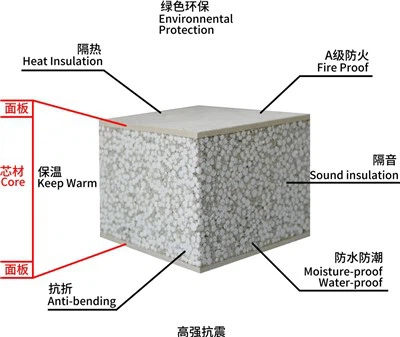
First things first, let's understand what these boards are all about. A waterproof cement sandwich board is basically made up of three layers. There are two outer layers made of cement, which are super strong and durable. In between, there's a core material. This core can vary, but it often gives the board its insulation and other useful properties.
One of the cool things about these boards is that they're waterproof. That means they can handle exposure to water without getting damaged easily. They're also fire - resistant, which is a huge plus for safety. And if you're looking for insulation, they can do a pretty good job of keeping the heat in or out, depending on what you need.
Why Use Them Outdoors?
Weather Resistance
Outdoor environments can be pretty harsh. You've got rain, snow, sunlight, and extreme temperatures. Waterproof cement sandwich boards are designed to handle all of that. The cement outer layers are tough enough to resist the wear and tear caused by the elements. Rain won't soak through and cause the board to rot, and the sun's UV rays won't break it down easily.
For example, if you're building a shed in your backyard, these boards can protect the inside from getting wet during rainy days. They'll also keep the shed relatively cool in the summer and warm in the winter because of their insulation properties.
Durability
When you're building something outdoors, you want it to last. These sandwich boards are known for their long - term durability. They're resistant to pests like termites and rodents, which can be a big problem if you're using wood or other materials. They also don't warp or crack as easily as some other building materials under changing weather conditions.
Low Maintenance
Another great thing about using waterproof cement sandwich boards outdoors is that they don't require a lot of maintenance. You don't have to worry about painting them every few years or treating them against rot. Just a simple rinse occasionally to keep them clean, and they'll keep looking good and performing well.
Applications Outdoors
Exterior Walls
One of the most common uses of waterproof cement sandwich boards outdoors is for exterior walls of buildings. Whether it's a small house, a commercial building, or an industrial structure, these boards can provide a solid and waterproof barrier. They can also improve the energy efficiency of the building by reducing heat transfer through the walls.
When used for exterior walls, they can be installed quickly and easily. The panels are pre - fabricated, which means they can be put up faster than traditional building methods. This saves time and money on construction projects.
Roofs
Yes, you can use waterproof cement sandwich boards on roofs too. They can provide excellent waterproofing and insulation. The boards are lightweight compared to some other roofing materials, which is a big advantage when it comes to the structural integrity of the building. They also help to reduce noise from rain and hail, which can be really annoying in some areas.
Fences and Sheds
If you're looking to build a fence around your property or a shed in your backyard, these boards are a great option. They can give you a sturdy and good - looking structure. You can choose different colors and finishes to match your existing landscape or the style of your house.
Some Considerations
Installation
Proper installation is crucial when using waterproof cement sandwich boards outdoors. Make sure the installation is done according to the manufacturer's instructions. If the boards aren't installed correctly, there could be gaps or weak points that might lead to water leakage or other problems down the line.
Climate
While these boards are designed to handle different weather conditions, the climate in your area still matters. In extremely cold climates, you might need to add extra insulation to ensure the building stays warm. In very hot and sunny areas, you might want to consider a finish that reflects sunlight to keep the building cool.
Comparing with Other Options
There are other building materials you can use outdoors, but waterproof cement sandwich boards have some clear advantages. For example, compared to wood, they're more resistant to water, pests, and fire. Wood can rot if it gets wet for too long, and it's a favorite target for termites.
When you compare them to regular cement boards, the sandwich design gives them better insulation properties. Regular cement boards are great but might not be as energy - efficient as the sandwich boards.
If you're interested in other types of panels, you can check out our Expanded Polystyrene Wall Panels, EPS Cement Sandwich Panel, and Soundproof EPS Sandwich Panel.


Conclusion
So, can waterproof cement sandwich boards be used outdoors? Absolutely! They offer a great combination of weather resistance, durability, and low maintenance. Whether you're building a small shed or a large commercial building, these boards can be a reliable choice.
If you're thinking about using waterproof cement sandwich boards for your outdoor project, I'd love to talk to you. We can discuss your specific needs, the right type of board for your project, and answer any other questions you might have. Don't hesitate to reach out and start the conversation about your next construction project!
References
- Building Material Handbook: A comprehensive guide on different construction materials and their applications.
- Outdoor Construction Best Practices: A manual that provides insights on using various materials for outdoor projects.