
In the dynamic landscape of commercial construction, the choice of building materials plays a pivotal role in determining the success of a project. Among the various options available, lightweight partition wall panels have emerged as a popular choice for many developers and contractors. As a supplier of Lightweight Partition Wall Panels, I am often asked whether these panels can be effectively used in commercial buildings. In this blog post, I will delve into the feasibility, benefits, and considerations of using lightweight partition wall panels in commercial settings.
Feasibility of Lightweight Partition Wall Panels in Commercial Buildings
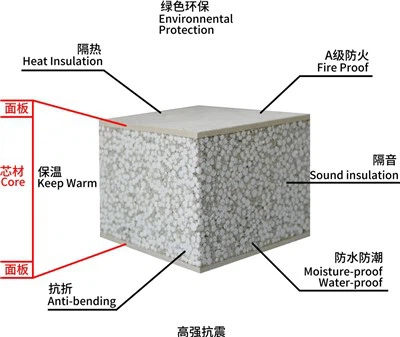
Lightweight partition wall panels are indeed suitable for commercial buildings, and their feasibility is supported by several factors. Firstly, these panels are designed to be easy to install, which can significantly reduce construction time and labor costs. In commercial construction, time is often of the essence, and any solution that can expedite the building process is highly valued. Lightweight partition wall panels can be quickly assembled on - site, allowing for a more efficient construction schedule.
Secondly, the lightweight nature of these panels makes them ideal for use in multi - story commercial buildings. Since they exert less load on the building's structure compared to traditional masonry walls, they can help reduce the overall structural requirements and potentially lower the cost of the foundation. This is particularly important in high - rise commercial buildings where the weight of the interior partitions can have a substantial impact on the building's stability and construction costs.
Benefits of Using Lightweight Partition Wall Panels
1. Cost - Effectiveness
One of the most significant advantages of lightweight partition wall panels is their cost - effectiveness. As mentioned earlier, the reduced installation time and lower labor requirements can lead to substantial savings during the construction phase. Additionally, these panels are generally more affordable than traditional building materials such as bricks or concrete blocks. Over the long term, the energy - efficient properties of some lightweight partition wall panels can also result in lower utility bills, further enhancing their cost - effectiveness.
2. Design Flexibility
Lightweight partition wall panels offer a high degree of design flexibility. They can be easily customized to fit different architectural designs and layouts. Whether you need straight walls, curved partitions, or partitions with unique shapes, these panels can be fabricated to meet your specific requirements. This flexibility allows architects and designers to create innovative and functional commercial spaces that stand out from the competition.
3. Acoustic Performance
In commercial buildings, especially those such as offices, hotels, and restaurants, good acoustic performance is essential. Lightweight partition wall panels can be designed to provide excellent sound insulation, helping to create a quiet and comfortable environment for occupants. This can improve productivity in office settings, enhance the guest experience in hotels, and reduce noise distractions in restaurants.
4. Fire Resistance
Fire safety is a top priority in commercial buildings. Many lightweight partition wall panels are engineered to have high fire - resistance ratings. For example, our Fireproof Foamed EPS Sandwich Panel is designed to withstand high temperatures for an extended period, providing valuable time for evacuation and minimizing the spread of fire.
5. Anti - seismic Properties
In earthquake - prone areas, the anti - seismic properties of building materials are crucial. Our Anti - seismic Cement Sandwich Panel and EPS Cement Seismic Panel are specifically designed to resist seismic forces. These panels can help protect the building and its occupants during an earthquake, reducing the risk of structural damage and collapse.
Considerations When Using Lightweight Partition Wall Panels in Commercial Buildings
1. Load - Bearing Requirements
While lightweight partition wall panels are generally not used as load - bearing structures, it is important to ensure that they are properly supported. In some cases, additional framing or support may be required, especially if the panels are used in large - scale commercial projects or if there are heavy fixtures or equipment to be mounted on the walls.
2. Moisture Resistance
In areas with high humidity or where there is a risk of water exposure, such as bathrooms or kitchens in commercial buildings, the moisture resistance of the partition wall panels must be considered. Some lightweight partition wall panels may require special coatings or treatments to prevent moisture damage and mold growth.
3. Code Compliance
Commercial buildings are subject to strict building codes and regulations. It is essential to ensure that the lightweight partition wall panels used comply with all relevant local, national, and international building codes. This includes requirements for fire safety, structural integrity, and acoustic performance.
Case Studies
To illustrate the successful use of lightweight partition wall panels in commercial buildings, let's look at a few case studies.
Office Building in the City Center
A modern office building in the city center was constructed using lightweight partition wall panels. The panels were installed quickly, allowing the building to be completed ahead of schedule. The design flexibility of the panels enabled the creation of open - plan offices with movable partitions, which could be easily reconfigured to meet the changing needs of the tenants. The acoustic performance of the panels also contributed to a quiet and productive work environment.
Hotel Renovation Project
A hotel underwent a renovation project, and lightweight partition wall panels were used to create new guest rooms and common areas. The panels' fire - resistance and sound - insulation properties were particularly beneficial in this project. The hotel was able to improve the safety and comfort of its guests while also reducing the renovation time and cost.


Conclusion
In conclusion, lightweight partition wall panels are a viable and advantageous option for commercial buildings. Their cost - effectiveness, design flexibility, acoustic performance, fire resistance, and anti - seismic properties make them an attractive choice for developers, contractors, and architects. However, it is important to carefully consider the load - bearing requirements, moisture resistance, and code compliance when using these panels.
As a supplier of Lightweight Partition Wall Panels, we are committed to providing high - quality products that meet the diverse needs of commercial construction projects. If you are interested in learning more about our lightweight partition wall panels or are considering using them in your next commercial building project, we encourage you to contact us for a consultation. We can help you select the right panels for your specific requirements and provide technical support throughout the project.
References
- Building Materials Handbook: A Guide to Selection and Specification.
- International Building Code (IBC) for Commercial Buildings.
- Studies on the Performance of Lightweight Partition Wall Panels in Different Environments.