
Hey there! I'm an EPS sandwich panel supplier, and I often get asked if EPS sandwich panels can be used in food - processing plants. So, let's dig into this topic and find out.


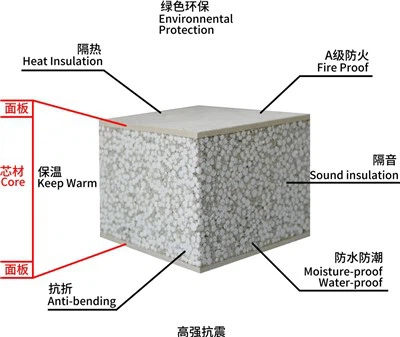
First off, let's understand what EPS sandwich panels are. EPS stands for Expanded Polystyrene, which is a lightweight and insulating material. EPS sandwich panels consist of an EPS core sandwiched between two outer layers, which can be made of different materials like metal, cement, or fiber cement. These panels are known for their good insulation properties, cost - effectiveness, and ease of installation.
Advantages of Using EPS Sandwich Panels in Food - Processing Plants
Insulation
One of the key requirements in food - processing plants is temperature control. Many food products need to be stored and processed at specific temperatures to maintain their quality and safety. EPS sandwich panels have excellent thermal insulation properties. They can help keep the interior of the plant at a stable temperature, reducing the energy consumption of heating and cooling systems. For example, in a cold storage area of a food - processing plant, these panels can prevent heat from entering, thus keeping the products at the required low temperature.
Cost - Effectiveness
As a supplier, I know that cost is a major concern for food - processing plant owners. EPS sandwich panels are relatively inexpensive compared to some other building materials. They are also quick to install, which can save on labor costs. With a lower upfront cost and reduced energy bills over time, EPS sandwich panels offer a great value for money.
Lightweight
The lightweight nature of EPS sandwich panels makes them easy to handle during construction. This means that the building structure doesn't need to be as heavy - duty to support the panels, which can also save on construction costs. In addition, it's easier to transport these panels to the construction site, reducing transportation costs.
Hygiene
Food - processing plants need to maintain high levels of hygiene. EPS sandwich panels can be designed with smooth and non - porous outer surfaces, which are easy to clean. This helps prevent the growth of bacteria and other microorganisms, ensuring a clean and safe environment for food processing.
Potential Concerns and Solutions
Fire Safety
One of the main concerns when using EPS sandwich panels in food - processing plants is fire safety. EPS is a flammable material, and in the event of a fire, it can contribute to the spread of flames. However, there are solutions available. We offer Fireproof EPS Fiber Cement Sandwich Panel, which has been treated to improve its fire - resistance. These panels can slow down the spread of fire and provide more time for evacuation and firefighting.
Moisture Resistance
Food - processing plants often have high humidity levels due to the nature of the operations. Moisture can damage EPS sandwich panels if they are not properly protected. That's why we have Waterproof Cement Sandwich Board. This type of panel has a waterproof outer layer that can prevent moisture from seeping into the EPS core, ensuring the long - term durability of the panels.
Durability
The panels need to withstand the wear and tear of a busy food - processing plant. Our 120mm Polystyrene Building Panels are designed to be durable. They can resist impact and other physical damage, making them suitable for use in areas where there may be a lot of movement and activity.
Regulatory Compliance
When using EPS sandwich panels in food - processing plants, it's important to ensure compliance with relevant regulations. Different regions may have different requirements regarding building materials, fire safety, and hygiene. As a supplier, I work closely with my customers to make sure that the panels we provide meet all the necessary standards. We can provide certificates and documentation to prove the quality and compliance of our products.
Conclusion
So, can EPS sandwich panels be used in food - processing plants? The answer is yes! With their insulation, cost - effectiveness, and other advantages, they are a viable option. However, it's important to address the potential concerns such as fire safety and moisture resistance. By choosing the right type of panels, like the ones I've mentioned above, food - processing plant owners can enjoy the benefits of EPS sandwich panels while maintaining a safe and hygienic environment.
If you're thinking about using EPS sandwich panels for your food - processing plant, I'd love to have a chat with you. We can discuss your specific needs, and I can help you choose the best panels for your project. Whether it's about the size, the outer layer material, or any other requirements, I'm here to assist. Don't hesitate to reach out and start the procurement process. Let's work together to build a great food - processing plant!
References
- Building Regulations and Standards for Food - Processing Plants (Local Government Publications)
- Research on Thermal Insulation Properties of EPS Sandwich Panels (Journal of Building Materials)
- Studies on Fire - Resistance of Treated EPS Materials (Fire Safety Journal)