
Hey there! As a supplier of EPS insulation panels, I often get asked if these panels can be used in elevator shafts. It's a valid question, and today, I'm gonna break it down for you.
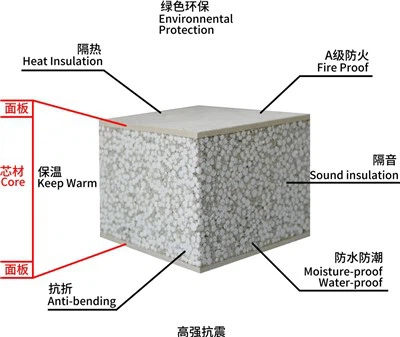
First off, let's talk about what EPS insulation panels are. EPS stands for expanded polystyrene. These panels are lightweight, have excellent insulation properties, and are relatively inexpensive compared to some other insulation materials. They're made by expanding small beads of polystyrene using steam and then molding them into panels. This process creates a material that's full of tiny air pockets, which are great at trapping heat and keeping it from transferring through the panel.


Now, when it comes to elevator shafts, there are a few key factors we need to consider before deciding if EPS insulation panels are a good fit.
1. Fire Safety
One of the biggest concerns in elevator shafts is fire safety. Elevator shafts can act like chimneys during a fire, allowing flames and smoke to spread quickly throughout a building. So, any material used in an elevator shaft needs to have good fire - resistant properties.
EPS insulation panels, on their own, are made of polystyrene, which is a combustible material. However, there are ways to make them more fire - resistant. Some manufacturers, including us, offer EPS panels that are treated with fire - retardant chemicals. These treated panels can significantly reduce the risk of ignition and slow down the spread of fire.
For example, our Fireproof Partition Wall Panel is designed with enhanced fire - resistant features. It has a special coating and a construction that helps it meet certain fire safety standards. But it's important to note that local building codes and regulations play a huge role here. Some areas may have strict requirements for the fire rating of materials used in elevator shafts, and you need to make sure the EPS panels you choose comply with those standards.
2. Structural Integrity
Elevator shafts are subject to various forces. There's the weight of the elevator car, the vibrations from its movement, and the pressure changes as the car moves up and down. The insulation material needs to be able to withstand these forces without breaking down or losing its effectiveness.
EPS insulation panels are lightweight, which can be an advantage in some ways. They don't add a lot of extra weight to the structure of the elevator shaft. However, their structural strength can be a concern. To address this, we often recommend using EPS panels in combination with other materials. For instance, our 120mm Polystyrene Building Panels can be installed with a supporting framework or backing material. This helps to reinforce the panels and ensures they can handle the stresses in the elevator shaft.
3. Moisture Resistance
Elevator shafts can sometimes be exposed to moisture. There could be leaks from the building's plumbing, condensation from temperature changes, or even water from a fire sprinkler system. Moisture can damage insulation materials, reducing their insulation performance and potentially causing mold growth.
EPS insulation panels are somewhat resistant to moisture, but they're not completely waterproof. If they get wet, the insulation properties can be affected. That's where our Waterproof Calcium Silicate Board comes in handy. We can use this board as a protective layer on the EPS panels. The calcium silicate board is highly waterproof and can prevent moisture from reaching the EPS, keeping the insulation in good condition.
4. Sound Insulation
Another important aspect of elevator shafts is sound insulation. The movement of the elevator car can generate a lot of noise, which can be a nuisance for the building's occupants. EPS insulation panels are known for their good sound - absorbing properties. The air pockets in the panels help to dampen sound waves, reducing the amount of noise that travels through the shaft and into the rest of the building.
Installation Considerations
Installing EPS insulation panels in an elevator shaft requires some expertise. The panels need to be cut to the right size and shape to fit the shaft properly. They also need to be installed securely to prevent any gaps or loose parts that could affect their performance.
We always recommend having a professional installer handle the job. Our team can provide guidance and support during the installation process. We can also offer training to installers to make sure they know how to work with our EPS panels safely and effectively.
Cost - Effectiveness
When it comes to cost, EPS insulation panels are generally more affordable compared to some other insulation materials. This can be a big advantage, especially for large - scale projects. The cost savings can be significant, without sacrificing too much in terms of performance. However, you also need to factor in the cost of any additional treatments or materials, like fire - retardant coatings or protective layers.
Conclusion
So, can EPS insulation panels be used in elevator shafts? The answer is yes, but with some important considerations. As long as you address the fire safety, structural integrity, moisture resistance, and sound insulation requirements, and follow local building codes, EPS panels can be a great choice for elevator shaft insulation.
If you're considering using EPS insulation panels for your elevator shaft project, I'd love to have a chat with you. We can discuss your specific needs, the best products for your situation, and answer any questions you might have. Contact us to start the conversation and let's see how we can work together to make your project a success.
References
- Building Codes and Standards Publications
- Research Papers on Insulation Materials for Elevator Shafts
- Manufacturer's Technical Data Sheets for EPS Insulation Panels