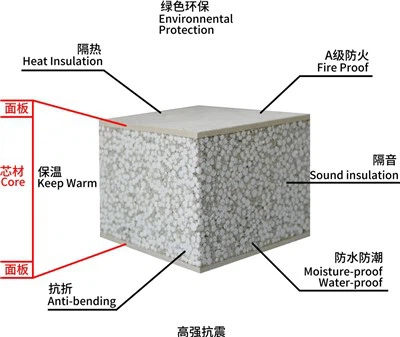

As a supplier of EPS insulation panels, I am often asked whether these panels can be used in agricultural buildings. The answer is a resounding yes, and in this blog post, I'll explore the reasons why EPS insulation panels are an excellent choice for agricultural structures, their benefits, potential drawbacks, and installation considerations.
Why EPS Insulation Panels in Agricultural Buildings?
Agricultural buildings serve a variety of purposes, from housing livestock to storing crops and equipment. Maintaining a stable internal environment is crucial for the well - being of animals and the preservation of agricultural products. EPS (Expanded Polystyrene) insulation panels offer several features that make them well - suited for these applications.
Thermal Insulation
One of the primary functions of insulation in agricultural buildings is to regulate temperature. EPS insulation panels have a high thermal resistance, which means they can effectively reduce heat transfer between the inside and outside of the building. In cold weather, they help keep the interior warm, reducing the energy required for heating. For example, in a poultry house, maintaining a consistent temperature is essential for the health and growth of the birds. EPS panels can prevent heat loss, ensuring a comfortable environment even during harsh winters.
Moisture Resistance
Moisture can be a significant problem in agricultural buildings, leading to mold growth, corrosion of equipment, and damage to stored products. EPS insulation panels are inherently moisture - resistant. They do not absorb water easily, which helps maintain their insulation properties over time. This is particularly important in areas where there is high humidity or where the building may be exposed to water, such as in a dairy barn or a crop storage facility.
Lightweight and Easy to Install
EPS insulation panels are lightweight, which makes them easy to handle and install. This reduces the labor and time required for construction, lowering overall building costs. In addition, their lightweight nature puts less stress on the building's structural components. For farmers or agricultural contractors, this means faster construction times and less disruption to daily operations.
Cost - Effective
Compared to some other insulation materials, EPS insulation panels are relatively inexpensive. They offer a good balance between cost and performance, making them an attractive option for agricultural applications where budget is often a concern. The long - term energy savings due to their high thermal insulation properties also contribute to their cost - effectiveness.
Types of EPS Insulation Panels for Agricultural Buildings
There are different types of EPS insulation panels available, each with its own characteristics and suitability for specific agricultural uses.
Soundproof EPS Sandwich Panel
In some agricultural settings, such as near busy roads or in areas with a lot of machinery noise, soundproofing can be important. Soundproof EPS sandwich panels are designed to reduce noise transmission. They consist of an EPS core sandwiched between two outer layers, which can effectively absorb and dampen sound waves. This type of panel is ideal for livestock buildings where excessive noise can cause stress to the animals.

Lightweight Foaming Partition Panel
Lightweight foaming partition panels are suitable for creating internal partitions within agricultural buildings. They are easy to install and can be used to divide large spaces into smaller compartments for different purposes, such as separating different groups of livestock or creating storage areas. These panels are also cost - effective and can be customized to fit specific dimensions.
180mm Sandwich Panel Wall
The 180mm sandwich panel wall offers a high level of insulation. With a thicker EPS core, it provides better thermal performance compared to thinner panels. This type of panel is suitable for larger agricultural buildings or in regions with extreme temperature variations. It can help maintain a more stable internal environment, reducing energy consumption for heating and cooling.
Potential Drawbacks of EPS Insulation Panels
While EPS insulation panels have many advantages, there are also some potential drawbacks that need to be considered.
Flammability
EPS is a combustible material. However, modern EPS insulation panels are often treated with fire - retardant chemicals to improve their fire resistance. It is important to ensure that the panels used in agricultural buildings meet the relevant fire safety standards. Additionally, proper installation and the use of fire - resistant barriers can help mitigate the fire risk.
Durability
Although EPS insulation panels are generally durable, they can be damaged if not properly protected. Physical damage, such as impact from machinery or animals, can compromise their insulation performance. It is important to take appropriate measures to protect the panels during and after installation, such as using protective coatings or installing them in a way that minimizes the risk of damage.
Installation Considerations
Proper installation is crucial to ensure the effectiveness of EPS insulation panels in agricultural buildings.
Sealing and Joints
To prevent air leakage, it is important to seal the joints between the panels properly. This can be done using appropriate sealants or tapes. Air leakage can significantly reduce the insulation performance of the panels, leading to increased energy consumption.
Vapor Barriers
In some cases, it may be necessary to install vapor barriers on the warm side of the insulation. This helps prevent moisture from condensing within the insulation, which can reduce its effectiveness and lead to mold growth.
Structural Support
Although EPS insulation panels are lightweight, they still need to be properly supported. The building's structure should be designed to handle the weight of the panels and any additional loads, such as snow or wind.

Conclusion
EPS insulation panels are a viable and practical option for agricultural buildings. Their thermal insulation properties, moisture resistance, ease of installation, and cost - effectiveness make them well - suited for a variety of agricultural applications. While there are some potential drawbacks, such as flammability and durability concerns, these can be addressed through proper selection, installation, and maintenance.
If you are considering using EPS insulation panels in your agricultural building, I encourage you to contact us for more information. Our team of experts can help you choose the right type of panels for your specific needs and provide guidance on installation. We are committed to providing high - quality EPS insulation panels and excellent customer service. Let's work together to create a more energy - efficient and comfortable agricultural environment.
References
- ASHRAE Handbook of Fundamentals. American Society of Heating, Refrigerating and Air - Conditioning Engineers.
- Building Regulations for Agricultural Structures. National Building Code authorities.
- EPS Industry Research Reports on Insulation Performance. EPS Manufacturers' Associations.