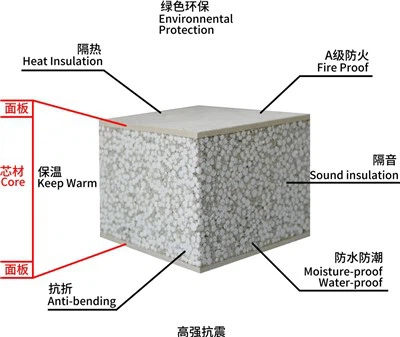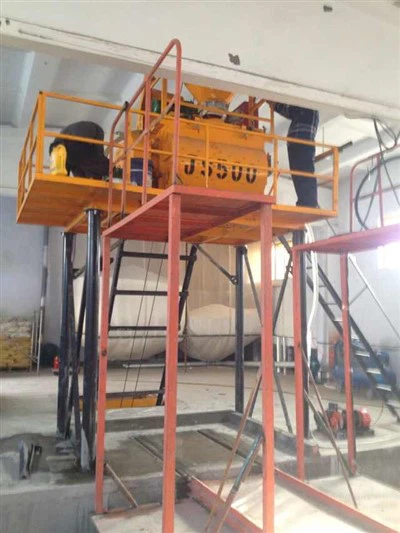

Hey there, fellow green building enthusiasts! I'm a supplier of 120mm EPS Wall Panels, and today I'm here to chat about whether these panels can be used in green buildings.
First off, let's talk a bit about what 120mm EPS Wall Panels are. EPS stands for expanded polystyrene, which is a lightweight and rigid foam plastic material. The 120mm refers to the thickness of the panel. These panels are commonly used in construction for various purposes, such as wall insulation and partitioning.
Advantages in Green Building
Energy Efficiency
One of the key aspects of green buildings is energy efficiency. 120mm EPS Wall Panels are great in this regard. They have excellent thermal insulation properties. The expanded polystyrene core traps air, which acts as an insulator. This means that buildings using these panels require less energy for heating in the winter and cooling in the summer. According to studies, buildings insulated with EPS panels can reduce energy consumption by a significant percentage. For example, a well - insulated building can cut down its heating energy needs by up to 30 - 50%. This reduction in energy use directly translates to lower greenhouse gas emissions, as less fossil fuel is burned to power heating and cooling systems.
Durability
Green buildings aim to be long - lasting to reduce the need for frequent replacements and the associated environmental impact. 120mm EPS Wall Panels are quite durable. They are resistant to moisture, rot, and pests. Unlike some traditional building materials like wood, which can be prone to termite damage and decay, EPS panels can maintain their structural integrity over a long period. This durability means that the building will have a longer lifespan, reducing the overall environmental footprint of the construction project.


Lightweight and Easy Installation
The lightweight nature of 120mm EPS Wall Panels makes them easy to handle and install. This reduces the energy and resources required for transportation and on - site construction. Less heavy machinery is needed for lifting and positioning, which in turn cuts down on fuel consumption during the construction phase. Additionally, the ease of installation means that construction time can be shortened. Faster construction reduces the overall environmental impact associated with a building project, as there is less energy used for construction - site operations and less disruption to the surrounding area.
Environmental Considerations
Material Source
EPS is made from styrene, which is derived from petroleum. This might raise concerns about the environmental impact of using a petroleum - based product in green buildings. However, it's important to note that the energy savings achieved over the lifespan of a building using EPS panels can far outweigh the environmental impact of the initial production. Moreover, the industry is constantly working on more sustainable ways to produce EPS. For example, some manufacturers are exploring the use of recycled plastics in the production of EPS.
Recyclability
EPS is recyclable. After a building reaches the end of its life, the 120mm EPS Wall Panels can be collected and recycled into new products. Recycling EPS reduces the amount of waste going to landfills and conserves resources. There are specialized recycling facilities that can process EPS, and as the demand for sustainable building materials grows, the recycling infrastructure for EPS is also expected to improve.
Comparison with Other Building Materials
Let's compare 120mm EPS Wall Panels with Calcium Silicate Partition Wall. Calcium silicate partition walls are known for their fire resistance and sound insulation. However, they are often heavier than EPS panels, which means more energy is needed for transportation and installation. In terms of thermal insulation, EPS panels generally outperform calcium silicate walls. While calcium silicate walls have their own advantages in certain applications, for energy - efficient green buildings, 120mm EPS Wall Panels are a strong contender.
Real - World Applications
There are many real - world examples of green buildings using 120mm EPS Wall Panels. In residential buildings, these panels are used to insulate exterior walls, creating a comfortable living environment while reducing energy bills. In commercial buildings, they can be used for interior partitioning as well as exterior insulation. For instance, a LEED - certified office building used 120mm EPS Wall Panels in its construction. The building was able to achieve a high level of energy efficiency, meeting the strict requirements of the LEED certification.
Where to Find 120mm EPS Wall Panels
If you're interested in using 120mm EPS Wall Panels in your green building project, you're in the right place! We offer high - quality 120mm EPS Wall Panels that meet all the necessary standards for green building. Our panels are designed to be energy - efficient, durable, and easy to install. You can also check out our 120mm Polystyrene Building Panels for more options.
Conclusion
In conclusion, 120mm EPS Wall Panels can definitely be used in green buildings. They offer significant energy - saving benefits, are durable, and have a relatively low environmental impact when considering their entire lifecycle. With the growing demand for sustainable building solutions, these panels are an excellent choice for architects, builders, and homeowners looking to create energy - efficient and environmentally friendly buildings.
If you're planning a green building project and want to learn more about our 120mm EPS Wall Panels or discuss your specific requirements, don't hesitate to reach out. We're here to help you make the best choice for your project and contribute to a more sustainable future.
References
- Building Energy Codes Program. (2023). Energy Efficiency in Buildings.
- EPS Industry Alliance. (2023). The Environmental Impact and Benefits of EPS.
- Green Building Council. (2023). Case Studies of Sustainable Building Materials.