
Hey there! As a supplier of fireproof partition wall panels, I often get asked a bunch of questions. One that comes up quite a bit is, "Are fireproof partition wall panels resistant to chemical corrosion?" Well, let's dive right into this topic and find out.
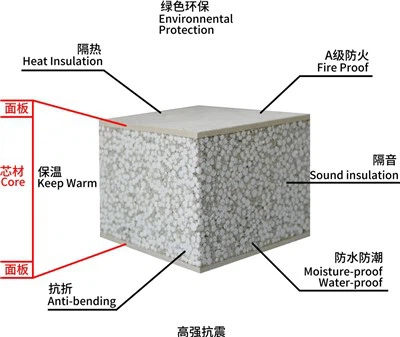
First off, let's understand what fireproof partition wall panels are. These panels are designed to prevent the spread of fire in buildings. They're used in all sorts of places, from commercial buildings like offices and shopping malls to industrial facilities. They're made from different materials, each with its own set of properties.
Now, when it comes to chemical corrosion, it's all about how the panels react when they come into contact with various chemicals. Chemicals can be found in many places, especially in industrial settings. Things like acids, alkalis, and solvents can potentially cause damage to building materials.
Let's talk about some common materials used in fireproof partition wall panels. One popular option is calcium silicate. Calcium Silicate Partition Wall is known for its excellent fire - resistance. But what about chemical corrosion? Calcium silicate is generally quite resistant to a wide range of chemicals. It has a stable chemical structure that makes it less likely to react with acids and alkalis. For example, in a laboratory test, when exposed to mild acidic solutions for an extended period, calcium silicate partition wall panels showed only minimal signs of surface damage. This is because the calcium silicate forms a kind of protective layer that shields it from the corrosive effects of the chemicals.
Another type of panel is the EPS cement sandwich panel. The 120mm EPS Cement Sandwich Panel combines the insulating properties of expanded polystyrene (EPS) with the strength of cement. The cement part of the panel provides a certain level of resistance to chemical corrosion. Cement is a durable material that can withstand some exposure to chemicals. However, the EPS core might be more vulnerable. EPS is a plastic material, and some strong solvents can dissolve or damage it. So, in environments where there's a high risk of solvent exposure, additional protective measures might be needed for these panels.
The 100mm Lightweight Sandwich Panel is also a common choice. These panels are lightweight and easy to install. They usually have a metal or non - metal facing and a core material. The facing can play a big role in chemical resistance. For instance, if the facing is made of a corrosion - resistant metal like stainless steel, it can provide good protection against chemical attack. On the other hand, if it's a non - metal facing, its resistance will depend on the specific material. Some non - metal facings are treated to enhance their chemical resistance.
There are several factors that can affect the chemical corrosion resistance of fireproof partition wall panels. The concentration of the chemicals is a big one. Higher concentrations of corrosive chemicals are more likely to cause damage. The duration of exposure also matters. A short - term exposure might not have a significant impact, but long - term exposure can gradually wear down the panels. The temperature and humidity of the environment can also influence the corrosion process. Higher temperatures and humidity can speed up chemical reactions, making the panels more susceptible to damage.
In industrial applications, it's crucial to choose the right fireproof partition wall panels based on the chemical environment. For example, in a chemical processing plant where there are high concentrations of acids, calcium silicate panels might be a better choice. In a food processing facility, where the chemicals are usually milder, EPS cement sandwich panels could work well.
It's also important to note that proper installation and maintenance can improve the chemical corrosion resistance of the panels. During installation, make sure there are no gaps or cracks where chemicals could seep in. Regular inspections can help detect any early signs of corrosion. If any damage is found, it should be repaired promptly to prevent further deterioration.
Now, let's talk about how you can ensure the long - term chemical resistance of your fireproof partition wall panels. First, consult with a professional. As a supplier, I can offer advice on the best panel type for your specific needs. I've dealt with all sorts of projects, and I know which panels work well in different chemical environments. Second, follow the manufacturer's guidelines for installation and maintenance. These guidelines are based on extensive testing and research, so they're really important.
If you're in the market for fireproof partition wall panels and you're worried about chemical corrosion, don't hesitate to reach out. We can have a detailed discussion about your project requirements. Whether you need panels for a small office or a large industrial complex, we've got the right solutions for you. We can provide samples so you can test them in your own environment. And if you have any questions about the chemical resistance of our panels, just ask. We're here to help you make the best choice for your building.
In conclusion, fireproof partition wall panels can be resistant to chemical corrosion, but it depends on the panel material, the chemical environment, and proper installation and maintenance. By choosing the right panels and taking the necessary precautions, you can ensure that your building is protected from both fire and chemical damage. So, if you're thinking about purchasing fireproof partition wall panels, give us a shout. Let's work together to find the perfect solution for your project.


References
- ASTM International standards on building materials testing
- Research papers on the chemical properties of construction materials