
Hey there! As a supplier of Fiber Cement Sandwich Panels, I often get asked if these panels are environmentally friendly. Well, let's dive right into this topic and find out.
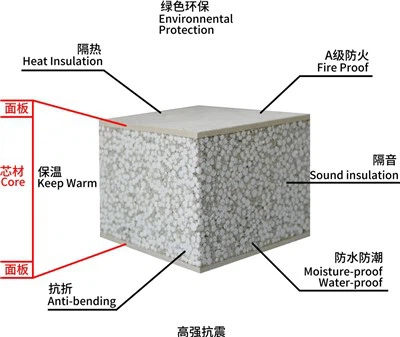
First off, let's understand what fiber cement sandwich panels are. These panels typically consist of a core material sandwiched between two layers of fiber cement. The core can be made of various materials like expanded polystyrene (EPS), polyurethane, or mineral wool. The fiber cement outer layers are known for their durability, fire resistance, and weather - resistance.
Let's start with the environmental aspects of the fiber cement part. Fiber cement is made from a combination of cement, cellulose fibers, and other additives. Cement production is indeed a major contributor to carbon emissions. However, modern manufacturing processes have become more energy - efficient. Many cement manufacturers are now using alternative fuels and raw materials, which helps to reduce the carbon footprint. The cellulose fibers used in fiber cement are usually sourced from sustainably managed forests. This means that trees are replanted at a rate that ensures a continuous supply, making it a renewable resource.
Now, let's talk about the core materials. One common core material is EPS. EPS is a lightweight, rigid foam made from polystyrene. When it comes to its environmental impact, EPS is recyclable. There are recycling facilities that can break down EPS into its raw materials, which can then be used to make new products. But the problem is that a large amount of EPS still ends up in landfills because of the lack of proper recycling infrastructure in many areas. However, some companies are working on improving the situation by promoting EPS recycling programs. If you're interested in EPS - based panels, you can check out our Polystyrene Wall Panels.
Another type of core material is mineral wool. Mineral wool is made from natural minerals like basalt or recycled slag. It's a great insulator, which helps to reduce energy consumption in buildings. It's also non - combustible, which enhances the fire safety of the building. And the best part? Mineral wool is recyclable and can be reused in the production of new insulation materials.
When it comes to the overall environmental impact of fiber cement sandwich panels, their energy - saving properties play a huge role. These panels have excellent insulation capabilities. In a building, good insulation means less energy is needed for heating in the winter and cooling in the summer. This reduction in energy consumption directly translates into lower greenhouse gas emissions. For example, if a commercial building uses fiber cement sandwich panels for its walls and roof, it can significantly cut down on its energy bills and carbon footprint over the long term.
We also have Lightweight Foaming Partition Panel, which are not only lightweight but also have good insulation properties. These panels can be used to divide spaces within a building, and their energy - saving features contribute to a more environmentally friendly building design.
The 120mm EPS Cement Sandwich Panel is another product in our range. With its specific thickness, it offers enhanced insulation and structural stability. The combination of EPS core and fiber cement outer layers makes it a great choice for both residential and commercial buildings.
In terms of waste generation during the manufacturing process, our company is committed to minimizing it. We have strict quality control measures in place to ensure that the panels are produced with high precision, reducing the amount of scrap material. Any waste that is generated is either recycled or disposed of in an environmentally responsible manner.
When it comes to the end - of - life of fiber cement sandwich panels, they can be recycled in many cases. The fiber cement layers can be crushed and used as aggregate in new concrete production. The core materials, as mentioned earlier, can also be recycled if the proper facilities are available.


So, are fiber cement sandwich panels environmentally friendly? The answer is yes, with some caveats. While there are aspects of their production and disposal that need improvement, overall, they offer significant environmental benefits, especially in terms of energy efficiency.
If you're in the market for high - quality, environmentally friendly building materials, I encourage you to consider our fiber cement sandwich panels. Whether you're building a new home, an office complex, or an industrial facility, our panels can meet your needs. And if you have any questions or want to discuss a potential purchase, don't hesitate to reach out. We're here to help you make the best choice for your project.
References
- Cement Association of America. "Sustainable Cement Manufacturing."
- EPS Industry Alliance. "Recycling of Expanded Polystyrene."
- Mineral Wool Insulation Manufacturers Association. "Environmental Benefits of Mineral Wool."