
As a supplier of EPS Partition Wall Panels, one question that frequently comes up from our clients is whether these panels are resistant to pests. This is a crucial concern, especially in construction projects where long - term durability and maintenance are key considerations. In this blog, we'll dive deep into the topic to provide you with a comprehensive understanding of the pest - resistance of EPS Partition Wall Panels.
What are EPS Partition Wall Panels?
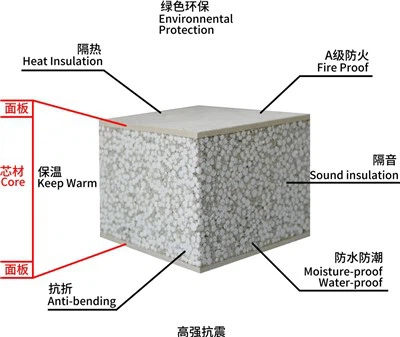
EPS, or Expanded Polystyrene, is a lightweight and rigid foam material made from polystyrene beads. EPS Partition Wall Panels are pre - fabricated building components that consist of an EPS core sandwiched between two outer layers. These outer layers can be made of various materials such as cement, fiber cement, or metal, depending on the specific application and requirements.
The panels are known for their excellent insulation properties, ease of installation, and cost - effectiveness. They are widely used in both residential and commercial construction for creating internal partitions, exterior walls, and even in some cases, for insulation in cold storage facilities. For instance, our 120mm Polystyrene Building Panels are a popular choice for many construction projects due to their balanced combination of insulation and structural integrity.
Why Pests are a Concern in Construction
Pests can cause significant damage to building materials. Insects like termites, carpenter ants, and beetles can chew through wood, drywall, and other organic materials, compromising the structural integrity of a building. Rodents, on the other hand, can gnaw on electrical wires, insulation, and pipes, leading to safety hazards such as electrical fires and water leaks.
In addition to the physical damage, pests can also pose health risks to the occupants of a building. They can carry diseases, contaminate food, and trigger allergic reactions. Therefore, choosing pest - resistant building materials is essential for ensuring the long - term safety and comfort of a building.
Are EPS Partition Wall Panels Resistant to Pests?
The short answer is yes, EPS Partition Wall Panels are generally resistant to pests. Here's a detailed look at why:
Chemical Composition
EPS is a synthetic polymer made from styrene monomers. It is a non - organic material, which means it does not provide a food source for most pests. Unlike wood, which contains cellulose that termites and other insects feed on, EPS has no nutritional value for pests. This lack of a food source makes it an unattractive target for pests.
Physical Structure
EPS has a closed - cell structure, which makes it difficult for pests to penetrate. The cells are tightly packed together, creating a barrier that pests cannot easily break through. Even if a pest manages to reach the surface of an EPS panel, it will find it challenging to bore into the material due to its density and hardness.
Lack of Moisture Absorption
Many pests are attracted to moist environments. Wood, for example, can absorb moisture from the air or from leaks, creating a damp and hospitable environment for pests. EPS, however, has low water absorption properties. It does not retain moisture, which means there is no dampness to attract pests such as termites and fungi. This dry environment is unfavorable for the survival and reproduction of most pests.
Exceptions and Considerations
While EPS Partition Wall Panels are generally pest - resistant, there are a few exceptions and considerations to keep in mind:
Damage to the Outer Layers
The outer layers of EPS Partition Wall Panels can be made of organic materials such as fiber cement or wood veneer. If these outer layers are damaged, pests may be able to access the underlying EPS core. For example, if the fiber cement layer is cracked or chipped, insects may be able to find their way through the opening and potentially cause damage. It is important to ensure that the outer layers are properly installed and maintained to prevent such damage.
External Factors
In some cases, external factors can make EPS Partition Wall Panels more vulnerable to pests. For example, if a building is located in an area with a high pest population, pests may be more likely to try to invade the building. Additionally, if there are other sources of food and shelter nearby, pests may be more attracted to the building in general. In such cases, it may be necessary to take additional pest control measures, such as installing pest barriers or using pesticides.
Our Product Range and Pest Resistance
At our company, we offer a wide range of EPS Partition Wall Panels, including 150mm EPS Insulation Board and Fireproof EPS Fiber Cement Sandwich Panel. All of our panels are designed with pest resistance in mind.
Our fireproof panels, for example, have a special fire - resistant coating on the outer layer, which not only provides protection against fire but also adds an extra layer of protection against pests. The coating helps to prevent damage to the outer layer and makes it more difficult for pests to penetrate the panel.
Conclusion
In conclusion, EPS Partition Wall Panels are a great choice for construction projects when it comes to pest resistance. Their non - organic composition, closed - cell structure, and low water absorption properties make them an unattractive target for most pests. However, it is important to ensure that the panels are properly installed and maintained, especially the outer layers, to prevent any potential pest issues.


If you're considering using EPS Partition Wall Panels for your next construction project, we'd love to hear from you. Our team of experts can provide you with more information about our products, their pest - resistant features, and how they can meet your specific needs. Contact us today to start a discussion about your procurement requirements.
References
- ASTM International. (2023). Standard Specification for Rigid, Cellular Polystyrene Thermal Insulation.
- National Pest Management Association. (2023). Building Materials and Pest Resistance.