
Hey there! As a supplier of EPS insulation panels, I often get asked whether these panels are affected by sunlight. It's a super important question, especially for those looking to use EPS panels in various construction and insulation projects. So, let's dig into this topic and find out what sunlight means for EPS insulation panels.
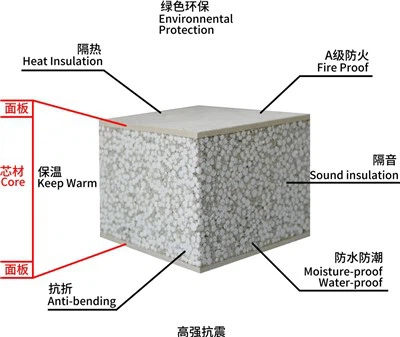
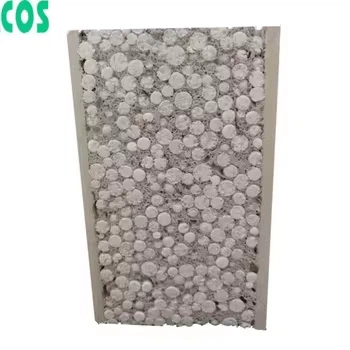
First off, let's understand what EPS is. EPS stands for Expanded Polystyrene. It's a lightweight, rigid, and closed - cell foam plastic. EPS insulation panels are made by expanding tiny beads of polystyrene resin with steam and then molding them into panels. These panels are known for their excellent insulation properties, which help in reducing energy consumption in buildings by keeping the indoor temperature stable.
Now, onto the main question: Are EPS insulation panels affected by sunlight? Well, the short answer is yes, but it's a bit more complicated than that.
EPS is not UV - stable on its own. When exposed to direct sunlight for extended periods, the UV rays in sunlight can start to break down the surface of the EPS panel. This breakdown is called photodegradation. Over time, the outer layer of the EPS panel can become brittle, discolored, and lose its structural integrity. You might notice a yellowing of the panel, and it can start to crumble or flake at the surface.
However, the extent of the damage depends on several factors. The intensity and duration of sunlight exposure play a huge role. In regions with high - intensity sunlight and long days, the degradation process will be faster compared to areas with less sunlight. For example, in deserts where the sun shines brightly for most of the day, EPS panels will be more severely affected than in cloudy, northern regions.
Another factor is whether the EPS panel has any protective coating. Many of the EPS insulation panels we supply come with a protective layer. This layer can act as a shield against the harmful UV rays. Some coatings are specifically designed to block UV light, which significantly slows down the photodegradation process. For instance, if you're using our Waterproof EPS Sandwich Panel, it often has a protective outer layer that helps in reducing the impact of sunlight.
The thickness of the EPS panel also matters. Thicker panels are generally more resistant to sunlight damage. A thicker panel has more material, so even if the outer layer is affected by sunlight, the inner part of the panel can still maintain its insulation properties and structural strength. Our 100mm Lightweight Sandwich Panel is a great example. Its thickness provides an extra buffer against sunlight - induced degradation.

Now, let's talk about different applications. In some cases, EPS panels are not directly exposed to sunlight. For example, when used as internal insulation in a building, sunlight is not an issue at all. The panels are protected by the building's structure, so they can perform their insulation function without being affected by sunlight.
But when EPS panels are used in external applications, like in exterior wall cladding or roofing, proper protection is crucial. In these cases, additional measures need to be taken to ensure the longevity of the panels. This could include applying a UV - resistant paint or using a protective membrane.
We also offer EPS Cement Seismic Panel, which is a great option for external use. The cement layer on these panels provides an extra layer of protection against sunlight and other environmental factors. The cement acts as a physical barrier, preventing the UV rays from directly hitting the EPS core.
So, what should you do if you're planning to use EPS insulation panels in an area where they'll be exposed to sunlight? First, choose the right type of panel. If it's for an external application, look for panels with a protective coating or additional layers like the ones I mentioned. Second, consider the orientation of the panels. Try to place them in a way that minimizes direct sunlight exposure. For example, if possible, place them on the north - facing side of a building where they'll get less sunlight.
It's also a good idea to regularly inspect the panels. Check for any signs of discoloration, brittleness, or flaking. If you notice any issues early on, you can take steps to address them, such as applying a new protective coating.
In conclusion, while EPS insulation panels can be affected by sunlight, with the right precautions and the right type of panels, you can use them effectively even in sunny areas. At our company, we're committed to providing high - quality EPS insulation panels that can withstand various environmental conditions. Whether you need panels for internal or external use, we've got you covered.
If you're interested in purchasing EPS insulation panels or have any questions about how to protect them from sunlight, don't hesitate to reach out. We're here to help you make the best choice for your project. Contact us today to start a conversation about your insulation needs.
References
- ASTM International. "Standard Specification for Rigid, Cellular Polystyrene Thermal Insulation." ASTM C578.
- Building Research Establishment. "The Performance of EPS Insulation in Different Climates." BRE Report.
- Polystyrene Industry Association. "Understanding EPS and Its Environmental Resistance." Technical Bulletin.