Lightweight Energy-Saving Panels: Revolutionizing Modern Construction
Published on: February 11, 2025
Table of Contents
1.Introduction
2.What Are Lightweight Energy-Saving Panels?
3.Key Benefits
4.Applications in the Construction Industry
5.Installation and Maintenance
6.Future Trends
7.Conclusion
Introduction
In today's construction landscape, sustainability and energy efficiency are more than trends-they are necessities. Lightweight energy-saving panels have emerged as an innovative solution, merging advanced material technology with eco-friendly design. These panels help reduce energy consumption, lower building weights, and simplify installation processes, making them a preferred choice for modern architects and builders.
What Are Lightweight Energy-Saving Panels?
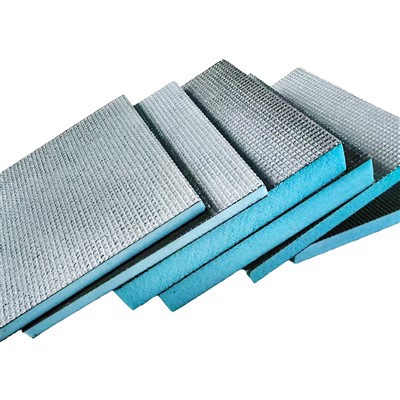
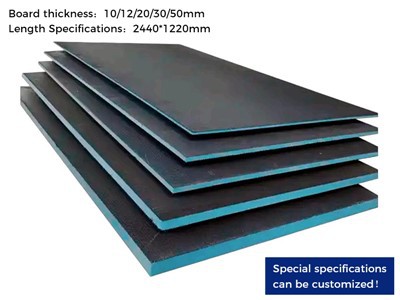
Lightweight energy-saving panels are composite materials designed to offer superior insulation and durability while reducing the overall weight of construction structures. Typically, these panels consist of:
Core materials: Such as foam or honeycomb structures that provide excellent thermal insulation.
Outer layers: Made from high-performance coatings or metal sheets that enhance structural integrity and weather resistance.
These panels are engineered to not only provide structural support but also to contribute significantly to the building's energy efficiency.
Key Benefits
The benefits of using lightweight energy-saving panels include:
Energy Efficiency:
Excellent thermal insulation properties reduce the need for excessive heating or cooling.
Lower energy bills and reduced carbon footprint.
Reduced Structural Weight:
Lower overall building weight, resulting in simplified structural design and lower foundation costs.
Enhanced seismic performance due to lighter construction materials.
Ease of Installation:
Pre-fabricated panels ensure quick and efficient installation.
Minimized on-site labor and construction time.
Durability and Low Maintenance:
Resistant to weathering and corrosion.
Long service life with minimal maintenance requirements.
Sustainability:
Use of recyclable and environmentally friendly materials.
Supports green building certifications and standards.
Applications in the Construction Industry
Lightweight energy-saving panels have a wide range of applications:
Commercial Buildings: Office buildings, shopping centers, and industrial facilities benefit from improved energy management.
Residential Construction: Single-family homes and apartment complexes leverage these panels for better insulation and quicker construction.
Public Infrastructure: Schools, hospitals, and community centers can reduce operating costs while enhancing comfort.
Retrofits and Renovations: Existing structures can be upgraded with these panels to improve thermal performance and modernize building envelopes.
Installation and Maintenance
Installation Process
Design and Planning:
Engineers incorporate panel specifications into the building design.
Detailed planning ensures compatibility with structural and aesthetic requirements.
Prefabrication:
Panels are manufactured off-site in controlled environments.
Quality control is maintained to ensure consistent performance.
On-Site Assembly:
Panels are delivered to the construction site.
Installation is streamlined using specialized mounting systems and minimal on-site adjustments.
Maintenance
Routine Inspections: Regular checks for any signs of wear or damage.
Cleaning: Simple cleaning procedures to remove debris and maintain the panels' aesthetic appeal.
Repairs: Modular design allows for the easy replacement of damaged sections without affecting the overall structure.
Future Trends
As technology advances, the evolution of lightweight energy-saving panels is set to continue:
Integration with Smart Technologies:
Future panels may include sensors for real-time energy monitoring and climate control.
Enhanced Material Innovation:
Ongoing research in nanomaterials and composites will lead to even lighter and more efficient panels.
Wider Adoption in Urban Development:
Increased focus on sustainable cities will drive demand for eco-friendly construction materials.
Conclusion
Lightweight energy-saving panels represent a pivotal advancement in construction technology. Their benefits-ranging from improved energy efficiency and reduced building weight to ease of installation and long-term durability-make them an ideal solution for modern construction challenges. As sustainability continues to be a driving force in the industry, these panels are set to play a crucial role in shaping the future of building design and construction.
For more insights and the latest trends in construction technology, stay tuned to our website.