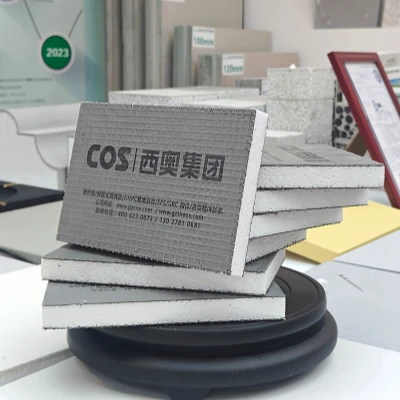
The principle of polystyrene sandwich panel is mainly made by using polystyrene foam as the core material, combined with colored steel plate or other materials, and bonding with high-strength adhesive after pressing through an automatic continuous molding machine. This structure makes the polystyrene sandwich panel have excellent thermal insulation performance, water and moisture resistance, corrosion resistance, fire resistance and other characteristics.
Structural composition
Polystyrene sandwich panels are usually composed of the following parts:
Outer material: Colored steel plate or glass fiber reinforced plastic plate is usually used, these materials have good corrosion resistance and chemical stability.
Core material: Styrofoam, which has excellent thermal insulation properties and a closed-cell structure that effectively prevents heat conduction and water absorption.
Adhesives: High-strength adhesives are used to firmly bond the outer material and the core material together1.
Performance characteristics:
Polystyrene sandwich panels have the following main performance characteristics:
Thermal insulation: Due to its closed-cell structure and low thermal conductivity, polystyrene sandwich panels have excellent thermal insulation properties and can effectively reduce energy loss.
Water and moisture resistance: Styrofoam does not absorb water, and the board structure is compact, which can effectively prevent water penetration.
Corrosion resistance: The outer material and core material have excellent corrosion resistance and can remain stable in various environments.
Fire protection: The outer material is usually non-combustible and meets the requirements of fire protection codes.
Lightweight and high strength: The weight of polystyrene sandwich panels is relatively light, which can reduce the structural cost and have high strength.